
In recent years, political movements have crossed borders faster than ever before. One topic that has sparked intense reactions worldwide is the wave of protests in the United States and Europe against Donald Trump. But why are these protests spreading beyond American soil? And what does it really mean for global politics?
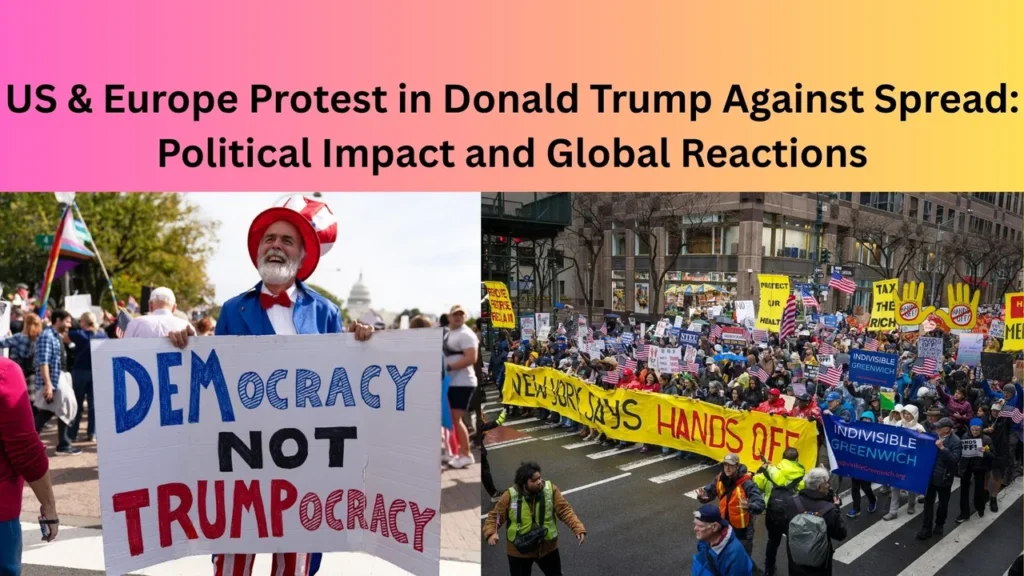
Let’s break it down together in a simple, engaging way—because honestly, this isn’t just politics. It’s a story about people, power, and how voices travel across continents.
Understanding the Origins of the Protests
What Sparked the Movement?
Every protest has a starting point. In this case, it began with controversial statements, policies, and decisions associated with Donald Trump. From immigration policies to climate change stances, many people felt strongly—on both sides.
But here’s the thing: when policies affect global issues like climate or international relations, people outside the US start paying attention too.
Why Did It Gain Momentum So Quickly?
Think of social media as gasoline on a fire. Platforms like Twitter and Facebook allowed protests to spread rapidly. One viral video or hashtag can turn a local protest into a global movement overnight.
The Spread to Europe
Why Europe Got Involved
You might wonder, “Why would Europeans protest against an American politician?” Good question.
The answer lies in interconnected policies. Decisions made in the US can influence:
- Climate agreements
- Trade relations
- NATO and defense strategies
- Human rights discussions
So, when Europeans saw policies they disagreed with, they took to the streets too.
Key Countries Leading the Protests
Several European nations saw large demonstrations, including:
- United Kingdom
- Germany
- France
- Netherlands
Each country had its own reasons, but the underlying theme was similar—concern about global political direction.
Major Themes Behind the Protests
Immigration Policies
One of the biggest triggers was immigration. Policies perceived as restrictive or discriminatory sparked outrage globally.
People asked: “Is this the direction we want the world to go?”
Climate Change Concerns
When the US stepped back from international climate commitments, it didn’t just affect Americans—it affected the planet.
Protesters saw this as a step backward in the fight against global warming.
Human Rights and Equality
Issues related to race, gender, and equality also fueled protests. Many felt that certain rhetoric and actions were divisive.
The Role of Media in Amplifying the Movement
Traditional Media vs Social Media
Traditional media reported the protests—but social media made them explode.
A single protest in New York could inspire one in Berlin within hours. That’s the power of digital connectivity.
The Influence of Viral Moments
Sometimes, it’s not policies but moments that trigger reactions—a speech, a tweet, or even a single quote.
These moments act like sparks, igniting larger conversations.
Political Impact in the United States
Did the Protests Influence Policy?
This is the big question, right?
While protests don’t always lead to immediate policy changes, they do shape public opinion. And public opinion eventually influences elections and decisions.
Shifting Public Perception
Protests can act like a mirror, reflecting what people truly feel. They brought attention to issues that might have otherwise been ignored.
Political Impact in Europe
Strengthening Local Movements
Interestingly, protests against Trump also strengthened local political movements in Europe.
People began asking broader questions about leadership, democracy, and global cooperation.
A Push for Stronger EU Unity
In some cases, these protests encouraged European nations to work more closely together, especially on issues like climate and trade.
The Role of Youth in the Movement
Why Young People Led the Charge
Young people were at the forefront of these protests. Why?
Because they feel the long-term impact more than anyone else. Climate change, economic policies, and global relations directly affect their future.
The Power of Student Movements
Universities became hubs for activism. Students organized rallies, discussions, and campaigns—turning campuses into centers of change.
Counter-Protests and Supporters
Not Everyone Agreed
It’s important to remember: for every protest, there’s often a counter-protest.
Many people supported Donald Trump’s policies, arguing they were necessary for national security and economic growth.
A Divided Public Opinion
This created a deeply divided atmosphere—not just in the US, but globally.
Economic Implications of the Protests
Impact on Businesses
Protests can influence consumer behavior. Some companies faced boycotts, while others gained support based on their stance.
Tourism and Public Image
Large-scale protests can also affect how countries are perceived internationally, impacting tourism and investment.
The Influence of Celebrities and Public Figures
Amplifying the Message
Celebrities played a big role in spreading awareness. When a famous person speaks, millions listen.
The Risk of Polarization
However, celebrity involvement can also deepen divisions, as fans often align with their favorite figures.
The Digital Age and Protest Culture
Hashtags as Modern-Day Slogans
Remember when protests relied on posters and chants? Now, it’s all about hashtags.
They’re quick, catchy, and powerful.
Online Activism vs Real-World Action
But here’s a question: Is posting online enough?
Many argue that real change requires action beyond the screen.
Challenges Faced by Protesters
Government Restrictions
In some cases, authorities imposed restrictions on protests, citing safety concerns.
Public Fatigue
Over time, people can become tired of constant protests. Maintaining momentum is not easy.
Globalization and Political Awareness
A More Connected World
We live in a world where events in one country affect others instantly.
That’s why protests against a US leader can happen in Europe.
The Rise of Global Citizens
People are no longer just citizens of one country—they see themselves as part of a global community.
Lessons Learned from the Movement
The Power of Collective Voice
When people come together, their voice becomes impossible to ignore.
The Importance of Dialogue
Protests highlight issues—but solutions come from conversations.
What Does the Future Hold?
Will Protests Continue?
Most likely, yes. Political activism isn’t going anywhere.
A New Era of Global Activism
We’re entering a time where protests are not limited by borders. What starts in one place can quickly become a global movement.
Conclusion
The protests across the US and Europe against Donald Trump represent more than just political disagreement—they reflect a shift in how people engage with global issues. In today’s interconnected world, decisions made in one country can spark reactions thousands of miles away.
Whether you agree or disagree with the protests, one thing is clear: people care deeply about the direction of the world. And when people care, they act.
So, the next time you see a protest trending online, ask yourself—what’s really behind it? Because chances are, it’s bigger than it seems.
FAQs
What caused the US and Europe protests against Donald Trump?
The protests were mainly driven by concerns over immigration policies, climate change decisions, and issues related to human rights and equality.
Why did European countries protest against a US president?
Because US policies often impact global issues like climate change, trade, and international relations, Europeans felt directly affected.
Did these protests lead to policy changes?
While not always immediate, protests helped shape public opinion and brought global attention to key issues.
How did social media influence the protests?
Social media played a major role by spreading information quickly, organizing events, and amplifying voices worldwide.
Are such global protests likely to happen again?
Yes, as the world becomes more connected, global protests on political and social issues are expected to continue growing.