
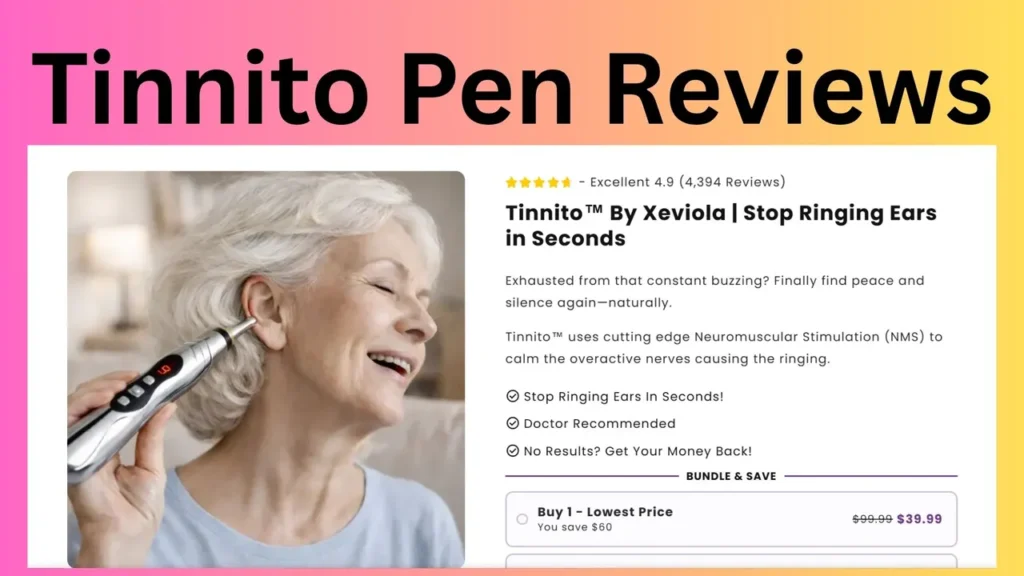
Have you ever experienced that constant ringing or buzzing in your ears that just won’t go away? If yes, you’re not alone. Millions of people struggle with tinnitus every day, and it can feel like there’s no escape. Recently, a product called the Tinnito Pen has been gaining attention online. It claims to provide relief from tinnitus using simple, non-invasive methods. Sounds interesting, right? But the big question is—is Tinnito Pen legit, or just another internet scam?
Let’s dive deep and uncover the truth.
What Is Tinnito Pen?
A Quick Overview
The Tinnito Pen is marketed as a handheld device designed to help reduce tinnitus symptoms. It’s often promoted as a drug-free solution that targets pressure points around the ear.
How It’s Supposed to Work
The pen is said to stimulate specific nerve endings or pressure points to:
- Improve blood circulation
- Reduce ear ringing
- Relax auditory nerves
Think of it like a mini massage tool for your ears—but with a medical twist.
Understanding Tinnitus: Why Does It Happen?
The Science Behind the Ringing
Tinnitus isn’t actually a disease—it’s a symptom. It can be caused by:
- Exposure to loud noise
- Ear infections
- Age-related hearing loss
- Stress and anxiety
Why It’s So Hard to Treat
Here’s the tricky part—tinnitus varies from person to person. What works for one may not work for another. That’s why products like Tinnito Pen try to offer alternative solutions.
Key Features of Tinnito Pen
Compact and Portable Design
The pen is small and easy to carry. You can literally slip it into your pocket and use it anywhere.
Non-Invasive Approach
No pills. No surgery. No complicated procedures. That’s one of its biggest selling points.
Easy to Use
Most sellers claim that you simply press the pen against certain points near your ear for a few minutes daily.
Rechargeable or Battery Operated
Depending on the version, it may come with rechargeable functionality or standard batteries.
Claimed Benefits of Tinnito Pen
Relief from Ear Ringing
This is the main promise—reducing or eliminating that annoying buzzing sound.
Improved Focus and Sleep
Less ringing means better concentration and more restful sleep.
Stress Reduction
When tinnitus reduces, your stress levels often follow.
How to Use Tinnito Pen Properly
Step-by-Step Guide
Step 1: Identify Pressure Points
Usually around the ear or neck.
Step 2: Turn On the Device
Make sure it’s charged or has working batteries.
Step 3: Apply Gentle Pressure
Hold it on the targeted area for a few seconds.
Step 4: Repeat Daily
Consistency is key—most recommend daily use.
Pros of Tinnito Pen
Drug-Free Solution
No chemicals involved—great for people who avoid medication.
User-Friendly
Even if you’re not tech-savvy, it’s simple to operate.
Portable Convenience
Use it anytime, anywhere.
Affordable Option
Compared to medical treatments, it’s relatively low-cost.
Cons of Tinnito Pen
Limited Scientific Evidence
There’s no strong clinical research backing its effectiveness.
Results May Vary
Not everyone experiences the same results.
Risk of Overhyped Claims
Some sellers may exaggerate its benefits.
Not a Permanent Cure
At best, it may offer temporary relief.
Real Customer Reviews: What Are People Saying?
Positive Feedback
Some users claim:
- Reduced ear ringing after regular use
- Better sleep quality
- Easy and convenient usage
Negative Feedback
Others report:
- No noticeable results
- Short-term relief only
- Poor build quality from certain sellers
So, opinions are clearly mixed.
Is Tinnito Pen Legit or a Scam?
The Honest Verdict
Let’s be real—Tinnito Pen is not a miracle cure.
It’s not necessarily a scam either, but it falls into that gray area of “might help, might not.”
What Makes It Legit?
- It’s a real physical product
- Some users report benefits
What Raises Red Flags?
- Lack of scientific backing
- Aggressive marketing claims
- Fake-looking reviews on some websites
How to Spot Fake Sellers
Check the Website Quality
Poor design and too-good-to-be-true claims are warning signs.
Look for Verified Reviews
Avoid sites with only 5-star reviews—it’s suspicious.
Compare Prices
If one site is offering huge discounts, be cautious.
Should You Try Tinnito Pen?
Who It Might Be Good For
- People looking for non-medical options
- Those with mild tinnitus
- Anyone open to trying alternative therapies
Who Should Avoid It
- People expecting instant results
- Severe tinnitus sufferers
- Those looking for medically proven treatments
Alternatives to Tinnito Pen
Sound Therapy
White noise machines or apps can help mask tinnitus.
Cognitive Behavioral Therapy (CBT)
Helps manage the emotional impact of tinnitus.
Hearing Aids
Useful for those with hearing loss-related tinnitus.
Lifestyle Changes
Reducing caffeine, stress, and loud noise exposure can make a difference.
Tips for Managing Tinnitus Naturally
Reduce Stress
Stress is like fuel for tinnitus—cut it down.
Get Enough Sleep
Lack of sleep can make symptoms worse.
Avoid Loud Noises
Protect your ears whenever possible.
Stay Active
Exercise improves blood flow, which may help.
Pricing and Where to Buy
Typical Price Range
Prices can vary depending on the seller, but it’s usually affordable.
Best Place to Buy
Always go for:
- Official websites
- Trusted e-commerce platforms
Avoid random ads on social media.
Is Tinnito Pen Safe?
General Safety
It’s generally safe as it’s non-invasive.
Possible Side Effects
- Mild discomfort if used incorrectly
- No serious risks reported
Still, it’s always wise to consult a doctor.
Expert Opinion: Does It Really Work?
Most healthcare professionals agree on one thing: There’s no strong scientific proof that devices like Tinnito Pen can cure tinnitus. However, some believe that placebo effects or mild stimulation may provide temporary relief.
Final Thoughts: Should You Trust the Hype?
Let’s keep it simple. The Tinnito Pen is like a “maybe solution.” It’s not a scam in the traditional sense, but it’s also not a guaranteed fix. If you go in with realistic expectations, you might find it helpful. But if you’re expecting a miracle cure, you’ll likely be disappointed.
Conclusion
Tinnitus can feel like an endless noise you just can’t turn off. Naturally, any product promising relief grabs attention—and that’s exactly what the Tinnito Pen does.
While it offers a non-invasive and affordable approach, the lack of scientific backing makes it hard to fully trust. Some users swear by it, while others see no difference at all.
So, is it worth trying? Maybe—but only if you treat it as a supplementary option, not a primary solution.
At the end of the day, your ears deserve the best care. And sometimes, the best approach is a combination of medical advice, lifestyle changes, and a little trial and error.
FAQs
Is Tinnito Pen FDA approved?
No, there’s no clear evidence that the Tinnito Pen is FDA approved. Always verify claims on official sources.
How long does it take to see results?
Some users report results within a few days, while others see no change even after weeks.
Can Tinnito Pen cure tinnitus permanently?
No, it does not cure tinnitus. It may only provide temporary relief for some users.
Is Tinnito Pen suitable for all ages?
Generally, yes—but it’s best to consult a doctor, especially for children or elderly users.
Are there any better alternatives to Tinnito Pen?
Yes, options like sound therapy, CBT, and medical treatments are often more reliable and scientifically supported.