
What if your kitchen became your first clinic?
What if your daily meals worked like gentle medicine—preventing disease, boosting energy, and healing your body naturally?
Sounds futuristic, right? But here’s the truth: by 2026, food as medicine won’t be a trend—it’ll be a lifestyle.
People are tired of quick fixes, endless pills, and side effects. We’re slowly waking up to something our grandparents always knew: food can heal when used wisely. And thanks to science, technology, and growing health awareness, that ancient wisdom is now getting a modern upgrade.
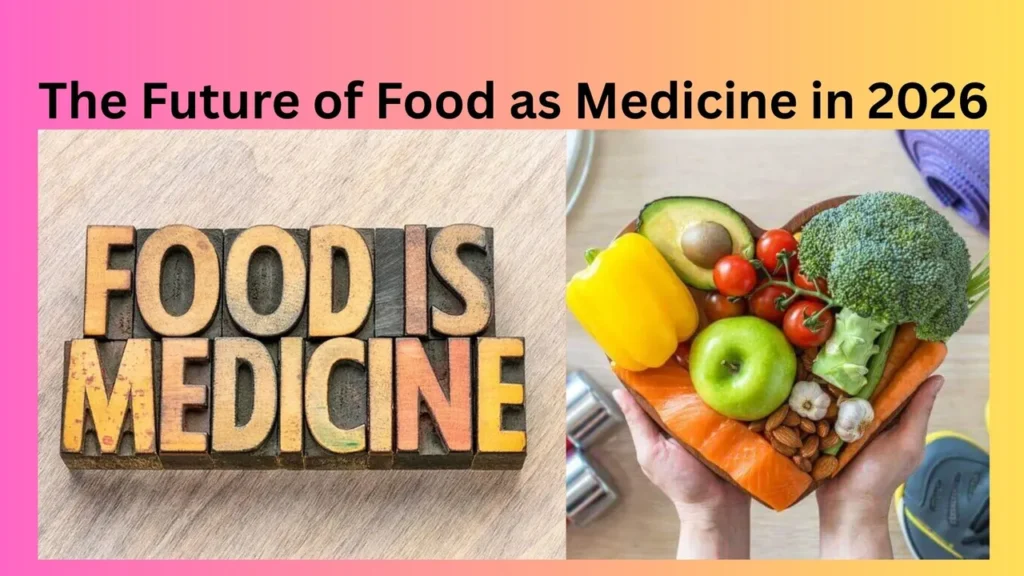
Let’s dive into how the future of food as medicine in 2026 will change the way we eat, live, and heal—one bite at a time.
What Does “Food as Medicine” Really Mean?
At its core, food as medicine means using whole, nutrient-rich foods to prevent, manage, and even reverse health issues.
It’s not about replacing doctors.
It’s about reducing dependency on medication by supporting the body naturally.
Think of food like daily maintenance for your body—just like oil keeps an engine running smoothly.
Why Food as Medicine Is Gaining Momentum
Rising Lifestyle Diseases
Diabetes, obesity, heart disease, and gut issues are exploding worldwide. Most of these are deeply connected to what’s on our plate.
Side Effects of Overmedication
People are realizing that popping pills without fixing diet is like mopping the floor while the tap is still running.
Access to Nutrition Knowledge
Thanks to social media, podcasts, and health platforms, nutrition education is no longer locked inside textbooks.
The Shift From Treatment to Prevention
Preventive Healthcare Takes Center Stage
By 2026, healthcare systems will focus more on preventing illness instead of reacting to it.
Doctors will ask:
“What are you eating?”
before asking,
“What symptoms do you have?”
Food as the First Line of Defense
Instead of reaching for medication immediately, dietary changes will become the starting point for managing chronic conditions.
Personalized Nutrition: One Diet Doesn’t Fit All
DNA-Based Diets
In 2026, personalized nutrition will explode. DNA tests will help identify:
- Food sensitivities
- Nutrient deficiencies
- Metabolism speed
Your diet will be as unique as your fingerprint.
AI-Powered Meal Planning
Apps powered by AI will analyze your:
- Health reports
- Gut microbiome
- Lifestyle habits
And then suggest meals tailored just for you.
The Role of Functional Foods in 2026
What Are Functional Foods?
These are foods that offer health benefits beyond basic nutrition.
Examples include:
- Turmeric for inflammation
- Fermented foods for gut health
- Berries for brain function
Functional Foods Go Mainstream
By 2026, grocery stores will highlight foods based on benefits like:
- “Heart Support”
- “Hormone Balance”
- “Brain Fuel”
Gut Health Will Be the Star of the Show
Why the Gut Matters
Your gut controls:
- Immunity
- Mood
- Digestion
- Inflammation
A healthy gut equals a healthy body.
Probiotics and Prebiotics Take Over
Fermented foods like kimchi, yogurt, kefir, and kombucha will be everyday staples—not niche health foods.
Food Prescriptions: Doctors Prescribing Meals
Yes, It’s Already Happening
By 2026, doctors and nutritionists will prescribe food plans alongside medicines.
For example:
- Leafy greens for blood pressure
- Omega-3 foods for depression
- Low-glycemic diets for diabetes
Hospitals Partnering With Nutrition Experts
Hospitals will collaborate with dietitians, chefs, and wellness coaches to design healing meals.
Plant-Based Diets Continue to Rise
Not Vegan—But Plant-Forward
The future isn’t about cutting everything out. It’s about adding more plants in.
People will eat:
- More vegetables
- More legumes
- More whole grains
And less ultra-processed food.
Environmental and Health Benefits
Plant-forward diets support both personal health and the planet—a win-win.
Traditional Foods Make a Powerful Comeback
Ancient Wisdom Meets Modern Science
Ayurveda, Traditional Chinese Medicine, and indigenous diets are getting scientific validation.
Foods like:
- Millets
- Bone broth
- Herbs and spices
Will return as everyday healing tools.
Local and Seasonal Eating
Eating what grows near you—and in season—will be promoted for better digestion and nutrient absorption.
Ultra-Processed Foods Lose Their Shine
The Truth Comes Out
By 2026, consumers will be more aware of how ultra-processed foods affect:
- Hormones
- Gut health
- Mental health
Clean Labels Become Non-Negotiable
People will demand transparency. If they can’t pronounce the ingredient, they won’t buy it.
Mental Health and Food: The Hidden Connection
Food for the Brain
Certain foods directly influence mood and focus, like:
- Fatty fish
- Nuts and seeds
- Dark leafy greens
Diet as Emotional Support
Food won’t replace therapy—but it will support mental wellness from the inside out.
The Role of Technology in Food as Medicine
Smart Wearables and Nutrition Tracking
Wearables will track:
- Blood sugar response
- Nutrient levels
- Hydration
And adjust food recommendations in real time.
Virtual Nutrition Coaches
AI coaches will guide people daily, just like a personal trainer—but for food.
Food as Medicine in Schools and Workplaces
Healthier School Meals
Schools will focus on brain-boosting, energy-sustaining foods.
Corporate Wellness Through Nutrition
Companies will invest in healthier cafeterias to improve productivity and reduce sick days.
Challenges in the Food as Medicine Movement
Accessibility Issues
Healthy food must be affordable and accessible to everyone—not just the privileged.
Misinformation Overload
Not everything trending online is science-backed. Education will be key.
What This Means for You in 2026
More Control Over Your Health
You won’t feel helpless anymore. Your plate becomes your power.
Small Changes, Big Impact
You don’t need perfection. Just better choices, consistently.
How to Start Using Food as Medicine Today
- Eat more whole foods
- Reduce sugar and processed items
- Listen to your body
- Focus on gut health
- Stay curious, not obsessive
Think of it like upgrading your phone’s software—you don’t need a new device, just better programming.
The Bigger Picture: A Healthier Future
Food as medicine isn’t about fear.
It’s about freedom—freedom from constant illness, fatigue, and dependency.
By 2026, healing won’t always start at the pharmacy.
It’ll start at the grocery store.
Conclusion: Food Is the Future of Healing
The future of food as medicine in 2026 is not science fiction—it’s already unfolding. As technology meets tradition and prevention replaces reaction, food will become our most trusted ally in health.
You don’t need to wait for 2026 to begin.
Every meal is a chance to heal—or harm.
So the next time you eat, ask yourself:
“Is this feeding my body… or just filling my stomach?”
Your body already knows the answer.
FAQs
1. What is the future of food as medicine?
It focuses on using nutrition to prevent and manage diseases through personalized, functional, and whole-food diets.
2. Will food replace medicine completely by 2026?
No. Food will complement medicine, not replace it—especially for chronic and lifestyle-related conditions.
3. Is personalized nutrition really effective?
Yes, studies show tailored diets work better than generic plans because everyone’s body responds differently.
4. How does gut health fit into food as medicine?
A healthy gut supports immunity, digestion, and mental health—making it a cornerstone of overall wellness.
5. Can anyone start following food as medicine today?
Absolutely. Simple changes like eating whole foods and reducing processed items can make a big difference.