
Buying from a new online store can feel like stepping into a foggy alley — exciting if it’s a boutique, risky if it’s a trap. In this article I’ll dig into the facts, the red flags, the positive signals, real customer feedback, official site details, and give you a clear verdict on whether Sorinelle is trustworthy. I’ll also show practical safety steps so you don’t lose money if you try the site.
What is Sorinelle?
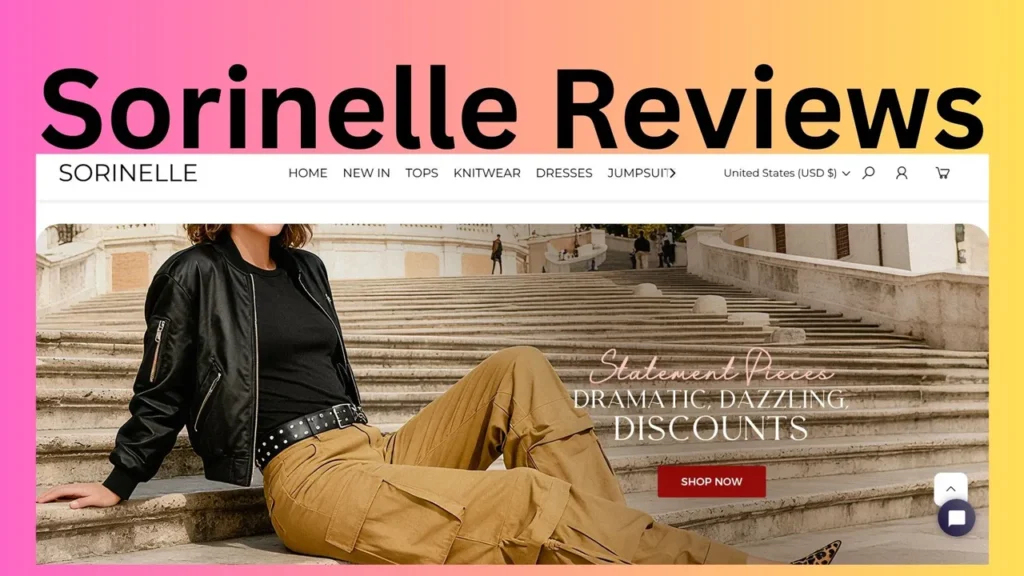
Sorinelle appears to be an online apparel store selling women’s clothing — dresses, tops, knitwear and accessories — with a storefront that accepts USD and shows a standard shopping cart flow. You can see product categories and a checkout flow on the store’s website.
Brand basics and presence
From the storefront design, Sorinelle presents itself like many Shopify-based boutiques: product grids, promotional banners and a simple checkout. That said, an attractive interface alone doesn’t prove reliability — it only shows someone knows how to build a shop. Multiple automated safety scanners and watchdogs have recently flagged the site as suspicious, which is why we need to look deeper.
What the site claims (and what’s visible)
On-site you’ll often find discounted items, size charts, a contact form and typical e-commerce pages (shipping, returns). If those pages are present, that’s good — but the quality and transparency of those pages (detailed policies, accurate contact details) matter far more than just having those pages.
Is Sorinelle legit or scam? The short answer
Short answer: there are serious warning signs. Multiple online scam-checking services rate the website as suspicious or high-risk. At the same time, the site exists and looks like a functioning shop — which means it could be either a very new legitimate store or a well-made suspicious site. Because the balance tips toward risk, treat it as high caution until stronger, trustworthy proof appears.
What legitimate signals we saw
- The store uses HTTPS (so data between your browser and the site is encrypted), and Shopify-style storefront patterns are in place.
- Some security scanners show a valid SSL issuer (which is normal for retailers). These are baseline hygiene items a store should have.
Red flags that worry me
- Multiple scam-detection sites give Sorinelle a low trust score or flag it as “suspicious shop.” That’s not definitive proof of a scam, but multiple independent tools all raising concerns is important.
- The domain is young (recently registered), which means limited track record. New domains can be fine — but many scam shops also use new domains.
- Automated security lists/blacklists appear to include the domain in some reports; that’s a strong red flag for phishing/malicious sites in many cases.
Real customer reviews and community investigations
When a store is genuinely legitimate, you’ll usually find lots of long-form customer reviews across Trustpilot, Reddit, YouTube unboxing videos with real tracking info, social posts, or verified orders. In Sorinelle’s case, people in the review community and several YouTube channels have recently analysed the site and urged caution — often after checking trust tools, domain age, and payment flows. Those investigations are useful because they show independent people are already suspicious and testing the site.
What reviewers are reporting (common themes)
- Investigators point out the new domain, thin public footprint, and sometimes mismatched contact or privacy info.
- Some reviewers warn that checkout behaved normally but public user-review history is thin or missing. Lack of prior customers is worrying for a consumer brand.
Website & technical analysis: what the scanners say
Automated scanners and scam-checkers take many signals (domain age, SSL, blacklists, WHOIS privacy, server location, content quality) and produce a risk score. For Sorinelle, several tools show low trust scores and classify the site as “suspicious” or “high risk.” Those services are blunt instruments — they don’t replace human judgment — but they’re designed to catch common scam patterns like brand-new domains, hidden ownership, and contradictory site content.
Why automated warnings matter
Automated tools detect patterns across thousands of known scams; when multiple independent tools flag a site, that pattern often signals real problems. Think of it like multiple smoke detectors going off: one could be faulty, but many going off at once is a good reason to leave the building.
What those services specifically reported
- Very low trust scores in some scanners (examples: single-digit or teens out of 100).
- Young domain registration and WHOIS privacy masking (domains by proxy).
Payment, shipping, and refund signals you should check
Before buying from any new store, look for: secure payment methods (PayPal or card gateways with buyer protection), clear shipping timelines and tracking, and an easy-to-find returns policy. On Sorinelle the surface-level checkout exists — but because of the suspicious-score signals, you should assume the worst until proven otherwise.
Payment method checklist
- Does the site offer PayPal or only direct card input? (PayPal offers extra buyer protection.)
- Are there recognizable payment processors (Stripe, PayPal)? If the checkout is a sketchy iframe or odd payment redirect, that’s a red flag.
Shipping & returns checklist
- Is there a clear refund/exchange address?
- Is shipping traceable with a carrier tracking number? Fake shops often supply vague or non-trackable “shipments.”
If these items aren’t clear and verifiable, avoid buying.
Pricing and product quality — too-good-to-be-true offers
If prices and promotions look dramatically below mainstream retailers (e.g., designer-like clothing for tiny fractions of normal cost), be skeptical. Scammers often lure shoppers with great deals to reduce scrutiny. Compare prices with well-known retailers to sense-check the offers.
Alternatives: where to shop safely for similar items
If you want similar fashion items without the risk, stick to established platforms (big-name marketplaces, brand sites, or verified boutiques on marketplaces) that show long review histories and secure payment protections. I’ll list a handful of reputable options: major established retailers and verified boutique platforms (use your local region’s popular, trusted stores).
How to protect yourself if you still want to try Sorinelle
If you decide to test the site anyway, do the following to reduce risk:
Buy one low-cost item first and use a protected payment method
Use PayPal or a credit card with easy chargeback options. Don’t use direct bank transfers or payment apps without buyer protection.
Use a throwaway email and inspect tracking carefully
Use an email you don’t mind for spam. Request a tracking number and confirm it with the courier’s site. If tracking is absent or tracking history shows nothing meaningful, contact your bank immediately if the item doesn’t arrive.
Save all screenshots and receipts
Keep proof of product pages, order confirmations, payment receipts, and any messages. This helps in disputes or chargebacks.
Check social media and search for unboxing proof
Search for the store name plus “order”, “unboxing” or “review” on social platforms — real customers often post photos or videos.
My practical verdict (based on current signals)
Right now the preponderance of safety tools, scam detectors, and independent reviewers point to high risk. The site is online, but the digital footprint is small and multiple scanners give it low trust or suspicious labels. That doesn’t prove a scam beyond question, but it does mean the safer move is to avoid purchases there until more trusted evidence (lots of verified buyer reviews, longer domain history, verifiable social proof) appears.
Quick checklist: Is Sorinelle safe for you?
- Domain age: young → caution.
- Multiple independent scanners: flagged/suspicious → caution.
- Public verified reviews: sparse or absent → caution.
If more than one of the above applies (and they do), treat the site as high risk.
Final advice before you click “Buy”
If you need the item and can’t wait, prefer an alternative retailer you trust. If you still want to try Sorinelle, purchase one inexpensive item, use PayPal/credit card, and keep documentation for a potential dispute. When shopping online, think like a detective: check footprints, payment methods, timelines, and documentation before committing money.
Conclusion paragraph:
Buying online should feel empowering, not nerve-wracking. Right now, Sorinelle shows up as a functioning store but with several independent signals that suggest risk: a young domain, low trust scores from automated detectors, and limited public buying history. That mixture is enough to advise caution: don’t put large orders through, prefer protected payment methods, and consider established alternatives. If you want, I can help you find comparable items from trusted stores or walk through how to check a site’s WHOIS, SSL, and payment flows step-by-step.
FAQ 1: Is Sorinelle definitely a scam?
No single source proves a definitive scam, but multiple security scanners and independent reviewers flag Sorinelle as suspicious. That combination means high risk; treat purchases cautiously and use buyer-protected payment methods.
FAQ 2: I already ordered — what should I do now?
If you already ordered, track the shipment closely. If you used a credit card or PayPal and the item doesn’t arrive or is materially different, open a dispute with the payment provider and supply screenshots and receipts. Save all correspondence.
FAQ 3: How can I verify if an online store is safe?
Check domain age and WHOIS, read independent reviews, search for unboxing posts, see if payment providers like PayPal or Stripe are used, and look for clear returns and contact details. Multiple scam-detection tools can give helpful signals, but also inspect human reviews.
FAQ 4: Are the scam-checker scores always right?
No — automated tools can produce false positives. But when multiple reputable services flag a site, that increases the chance there is a real problem. Use those tools as part of an overall investigation, not the only source.
FAQ 5: Can you help me find safer alternatives to Sorinelle?
Absolutely. Tell me the style or product you had in mind (dress, knitwear, jumpsuit, etc.), and I’ll recommend trusted retailers and specific product links that match the look — with an emphasis on safe payment and verified reviews.