
When you hear news like “Over 300 students and teachers kidnapped in Nigeria,” it suddenly feels like the world stops for a moment. How does something like this even happen in 2025? Why are schools—which should be safe spaces for learning—turning into targets? And most importantly, what does this mean for the families, the country, and global security?
In this in-depth article, we’ll unpack everything you need to know about this heartbreaking incident: what happened, who’s responsible, why it keeps happening, and how Nigeria—and the world—are responding.
Let’s dive right in.
What Exactly Happened?
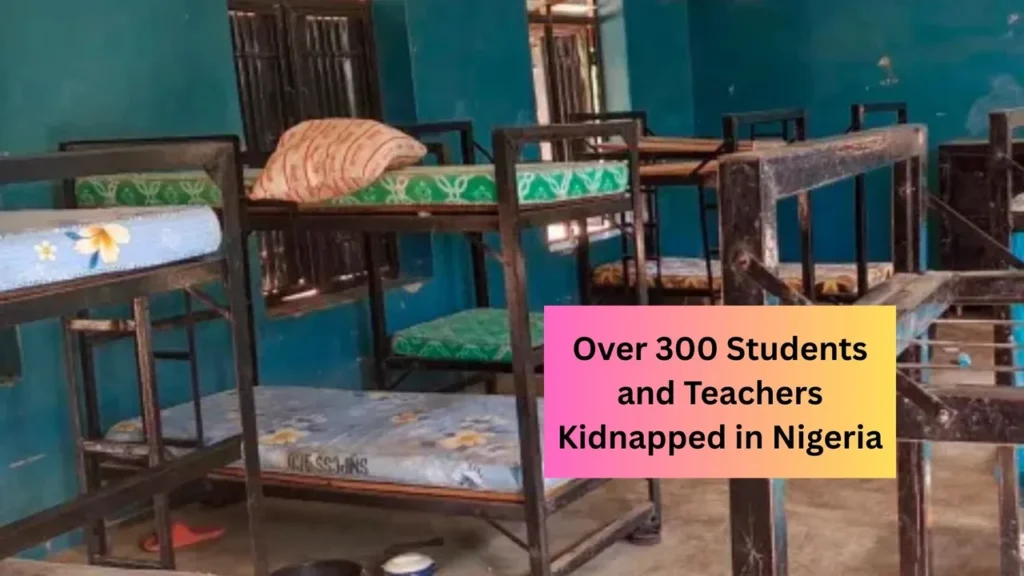
The nightmare unfolded when armed men stormed a school in Nigeria and abducted over 300 students and teachers in a single coordinated attack. It wasn’t the first time such an incident occurred, but the scale of this kidnapping instantly shook the world.
The attackers reportedly arrived in large numbers, overpowering local security and forcing students and staff into the surrounding forests. Many victims were young teens. Teachers were taken too—likely to prevent immediate rescue efforts and add leverage in negotiations.
This was not just an attack on a school. It was an attack on hope, on education, and on the fundamental security of children.
A Rising Pattern of School Abductions in Nigeria
If you’re wondering, “Why does this keep happening?” you’re not alone. Over the past decade, Nigeria has seen an alarming rise in school kidnappings, especially in the northern region.
The Dark Legacy of Boko Haram
The world first woke up to this trend in 2014 when 276 Chibok girls were kidnapped by Boko Haram. That attack set a chilling precedent.
Bandits Are Now Part of the Problem
Aside from extremist groups, armed bandit gangs have started using kidnappings as an economic tool. Schools—often under-protected—are easy targets.
Weak Security in Remote Areas
Many schools don’t have adequate security. Some don’t even have perimeter fencing, making them vulnerable to well-armed groups.
How Did the Attack Unfold?
Even though details are still emerging, survivors and local officials describe the attack as brutal and highly organized.
Late-Night Ambush
The attackers reportedly struck during early morning hours when everyone was asleep.
Outnumbered Security Forces
School security guards had little chance against heavily armed men.
Forced March into the Forest
Victims were rounded up and marched into thick forests that serve as hideouts for criminal groups.
It all happened so fast that parents woke up to chaos and empty classrooms.
Who Is Behind the Kidnapping?
Investigators and security analysts suspect either:
- Local bandit groups, looking for ransom, or
- Terror-affiliated militias, seeking attention and control.
Why Schools Are Targets
Schools symbolize more than education. They symbolize progress. Targeting schools allows criminals to:
- Instill fear
- Gain bargaining power
- Attract media attention
- Pressure the government
And unfortunately, it works.
What Does the Government Say?
The Nigerian government quickly condemned the attack and deployed additional military forces to track the kidnappers. Officials also promised that the victims will be rescued unharmed.
A Familiar Script?
While the statements sound reassuring, many citizens feel they’ve heard these promises before. Real change requires better intelligence, stronger policing, and long-term security reform.
Military Operations Launched
Search-and-rescue teams are already sweeping forest routes, but the terrain is challenging, and kidnappers are known for moving quickly.
How Are Families Coping?
Imagine sending your child to school and getting a call that they’ve been kidnapped. It’s every parent’s worst nightmare.
Fear and Trauma
Parents are gathering at the school grounds, praying for safety and demanding immediate government intervention.
Sleepless Nights
For many families, this isn’t their first encounter with violence. But the scale of this abduction has left entire communities in shock.
Global Reaction: The World Is Watching
This massive kidnapping has drawn international attention.
NGOs and Human Rights Groups Speak Out
Organizations are urging Nigeria to increase school protection and hold perpetrators accountable.
Global Leaders Respond
Several world leaders expressed concern and called for swift rescue efforts.
Social Media Outrage
The story has sparked debates about global security and children’s rights.
Why Does This Keep Happening?
To fully understand the crisis, you have to look at the bigger picture.
Breakdown of Local Security
Many rural regions lack adequate police presence.
Poverty and Unemployment
High unemployment creates fertile ground for criminal recruitment.
Weak Intelligence Networks
Criminals often operate freely with little fear of being caught.
Large Forest Regions
Dense forests allow gangs to hide victims for weeks or months.
The Hard Truth: It’s Not Going Away Anytime Soon
Nigeria has struggled for years with insurgency and banditry. Until deep-rooted issues like corruption, poverty, and weak governance are addressed, kidnappings will likely continue.
What Is the Future of Education in Affected Regions?
Sadly, many parents are now too afraid to send their children to school.
School Closures
Some schools may temporarily shut down to avoid further attacks.
Rise of Home Learning
Parents may turn to homeschooling or community-led learning.
Education Gap Widens
Children in rural areas risk falling far behind due to constant disruptions.
What Needs to Change?
To stop this cycle, Nigeria needs major reforms.
Stronger Security Forces
More funding, better equipment, and improved training are essential.
Community Policing
Locals know their environment best and can help prevent attacks.
Improved School Infrastructure
Fences, alarms, emergency exits, and surveillance can save lives.
Economic Development
The less people rely on crime, the safer schools become.
Will the Victims Be Rescued?
Search operations are ongoing. Historically, many victims in past abductions have been rescued—but often after weeks or months.
The hope remains—but it’s a painful waiting game for the families.
How You Can Stay Updated
Reliable global news outlets, human rights organizations, and official government updates will continue releasing information. Staying informed helps bring global attention to the crisis.
Conclusion
The report of over 300 students and teachers kidnapped in Nigeria is not just another breaking news headline—it’s a wake-up call. It highlights the urgent need for stronger security, better governance, and renewed global attention. No child should fear going to school, and no teacher should risk their life by simply showing up to work.
While rescue efforts continue, what families need most right now is hope—and the world’s support. Let’s keep this story alive, demand accountability, and support efforts to bring every victim home safely.
5 Unique FAQs
1. Why are kidnappings of students so common in Nigeria?
Weak security, widespread poverty, and organized criminal groups make schools vulnerable targets.
2. Who are the likely attackers in this incident?
Analysts suspect bandit groups or terror-linked militias who frequently engage in mass abductions.
3. How does the government typically respond to such kidnappings?
They launch military search operations and promise negotiations, though outcomes vary.
4. Are kidnapped students usually rescued?
Many past victims have been rescued, but the process can be slow, dangerous, and unpredictable.
5. What can be done to protect schools in Nigeria?
Stronger security, better infrastructure, community policing, and long-term economic reforms are essential.