
When the United States updates its national security strategy, the world pays attention. But this time, the response that raised the most eyebrows came from an unexpected corner—Russia. Yes, you read that right. The new U.S. national security strategy draws welcome from Russia, something that doesn’t happen very often in today’s tense geopolitical climate.
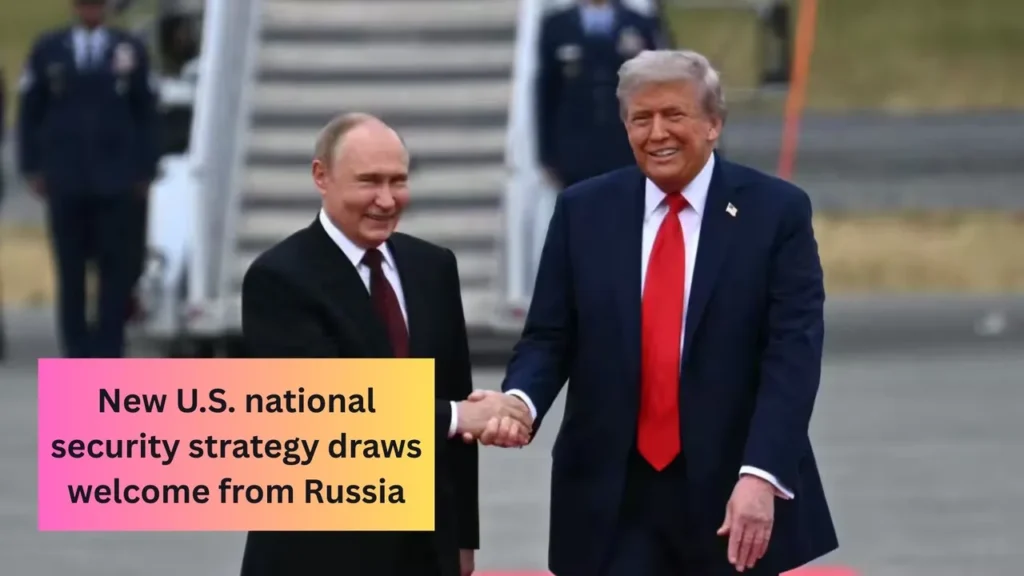
So, what exactly is inside this new strategy? Why has Russia responded positively? And most importantly, what could this mean for the future of global power dynamics? Let’s unpack every piece of this surprising development.
What Is a National Security Strategy Anyway?
Before we dive into the bigger picture, let’s get one thing straight.
A Blueprint for Defense and Diplomacy
A national security strategy (NSS) is like a master plan that guides the U.S. on how it protects its people, values, and interests—at home and around the globe. It’s updated whenever major global challenges evolve.
This strategy typically focuses on:
- Defense priorities
- Countering global threats
- Strengthening alliances
- Managing relationships with rivals
It’s more than just paperwork. It dictates long-term foreign policy, military investments, cyber security measures, and even economic policies.
Why Does This Strategy Matter So Much?
Think of the NSS as the playbook for America’s next big moves. When the U.S. shifts its priorities, the entire global chessboard shifts with it. Nations watch closely to see whether the U.S. is signaling cooperation—or confrontation.
A Shift in Power Narratives
Over the last decade, Russia and China have been labeled as “strategic competitors,” sometimes even active threats. So when hints of a softened tone emerge, it’s big news—especially for Russia.
Russia’s Surprisingly Positive Reaction
Yes, the new U.S. national security strategy draws welcome from Russia, and that alone sparks curiosity. Why is Moscow happy?
A Tone Less Aggressive?
Russia seems to believe the new strategy shows:
- More willingness to work diplomatically
- Less aggressive isolation of Russia
- Focus on mutual security issues
In other words, Moscow sees a door opening rather than another being slammed shut.
A Chance to Rebuild Broken Communication
Despite years of sanctions, military posturing, and international disputes, Russia still values recognition from Washington as a major global player. A strategy that doesn’t completely villainize Russia feels like progress in its eyes.
What Changed in the New U.S. Strategy?
So what did the U.S. actually shift?
From Pure Rivalry to “Managed Competition”
Instead of treating Russia only as a threat, the U.S. approach now seems to blend:
- Strategic caution
- Diplomatic engagement
- Global stability cooperation
The message? “We see your influence. Let’s handle this responsibly.”
Spotlight Moves From Russia to Other Priorities
One of the biggest shifts is the focus on emerging threats like:
- AI warfare
- Space security challenges
- Climate-related national risks
- Disinformation campaigns globally (not just from Russia)
Russia likely appreciates not being the main villain in every chapter.
Why Russia Needs This Change Too
Let’s be honest—Russia has its own strategic reasons.
Economics Matter
Sanctions have tightened economic pressures. Any opportunity to improve international relations could soften those blows.
Security Recognition
Russia wants the world to respect its military role—not fear or ignore it. A balanced U.S. stance boosts its diplomatic confidence.
A Route Back Into Global Politics
This strategy could represent a cautious return to dialogues and negotiations often paused due to global conflicts and tensions.
Could This Lead to Better U.S.–Russia Relations?
It’s too early to call it a love story. But hey, every peace treaty begins with small steps, right?
Cooperation in Critical Areas
Potential collaboration may include:
- Nuclear arms control agreements
- Counter-terrorism missions
- Cyber threats prevention
- Space security norms
These are problem areas where both countries share the same fears. Working together could reduce risks on all sides.
But Hold On… Not Everyone is Celebrating
Some international analysts are skeptical about Russia’s “welcoming” stance.
A Strategic Smile?
There’s a possibility that Russia’s positive tone is simply:
- A diplomatic tactic
- A public relations strategy
- An attempt to gain leverage in future negotiations
Let’s face it—geopolitics has no room for naïve optimism. Countries don’t applaud rivals without a reason.
What About Other Global Players?
If Russia likes the strategy, what do others think?
Europe Keeps a Close Watch
European nations rely heavily on the U.S. to counterbalance Russian influence. A softer approach might spark worries across NATO alliances.
China Observes Quietly
China is becoming the bigger focus of U.S. security concerns, so while Russia welcomes the shift, Beijing might not feel as relaxed.
Global reactions show the same message:
- When America changes direction, everyone adjusts their seat belts.
Will This Strategy Change Military Policies?
A diplomatic shift doesn’t mean the U.S. is lowering its guard. Not at all.
Deterrence Still Stays Strong
The U.S. continues to strengthen:
- NATO defenses
- Cybersecurity infrastructure
- Intelligence partnerships
But the tone is less “battle ready” and more “let’s prevent the battle altogether.”
Is This a Move Toward Peace or Power Rebalancing?
Both. And neither. Confused? Don’t worry, here’s the simple breakdown.
Peace Requires Partnership
If Russia truly wants cooperation, this is the moment for it to show responsibility on:
- Ukraine conflict negotiations
- International law commitments
- Diplomatic transparency
But Power Politics Never Sleep
Behind every handshake is a silent calculation. The U.S. seeks:
- Stability in Europe
- Reduced confrontation risks
- Stronger influence in global decision-making
This is peace with a cautious helmet on.
Experts Predict Mixed Outcomes
International policy specialists are divided.
Optimistic View
- Reduced military escalation
- More open communication
- Arms-control agreements possibly revived
Pessimistic View
- Russia may exploit softer tones
- Strategic competition will continue anyway
- Trust remains extremely fragile
Either way, change is happening—and uncertainty comes with it.
Historical Context: Have We Seen This Before?
Absolutely. U.S.–Russia relations move in cycles:
- Cold tension
- Short collaboration
- Back to rivalry
This new strategy might be just another chapter in that long book. But every chapter has the potential to rewrite the ending.
The Global Security Landscape Is Shifting
Between cyber warfare, space race ambitions, climate threats, and AI-powered weapons, the future of defense is evolving fast.
Cooperation Could Be the New Shield
No nation can handle all threats alone anymore. The U.S. and Russia, despite differences, share this reality:
- When superpowers talk, the world is safer.
- When they don’t, risks multiply.
What Ordinary People Should Understand
You might think this is “just politics,” but it affects daily life more than we realize.
It influences:
- Gas prices
- International trade
- Online security
- Travel safety
- Global stability
A small positive shift between two giants can reduce a massive amount of global stress.
Conclusion: A Step Forward, But the Road Is Long
The new U.S. national security strategy draws welcome from Russia, signaling a potentially meaningful shift in global diplomacy. While this reaction doesn’t guarantee lasting peace or cooperation, it opens a window—one that has been closed for quite some time.
Whether that window becomes a door to stronger relations or slams shut again will depend entirely on upcoming actions from both sides. For now, the world is watching, waiting, and hoping that cautious optimism leads to real stability.
Let’s keep our fingers crossed—not for friendship, but for a safer, more predictable world.
FAQs
1. Why did Russia welcome the new U.S. national security strategy?
Russia sees the strategy as less aggressively targeted at them and more open to diplomatic cooperation, which works in Moscow’s favor.
2. Does this mean U.S.–Russia relations will improve?
Not immediately. It’s a small positive step, but major issues still divide the two nations.
3. What areas might the U.S. and Russia work together on?
Possible collaboration could involve nuclear arms control, cybersecurity, and managing global security threats.
4. Will this affect NATO?
Yes, European allies will observe closely, as adjustments in U.S.–Russia relations can influence regional defense strategies.
5. Is the strategy more focused on China now?
Yes, the U.S. is increasingly prioritizing challenges posed by China, shifting some strategic attention away from Russia.