
Have you ever dreamed of ditching your expensive cable subscription while still enjoying crystal-clear HD channels? That’s exactly what the LiveWave HDTV Antenna claims to do. But is it really as revolutionary as it sounds, or just another overhyped gadget?
Let’s dive into this detailed LiveWave Antenna review to uncover whether this sleek, plug-in device truly delivers on its promises—or if it’s just clever marketing wrapped in a techy disguise.
What Is the LiveWave Antenna?
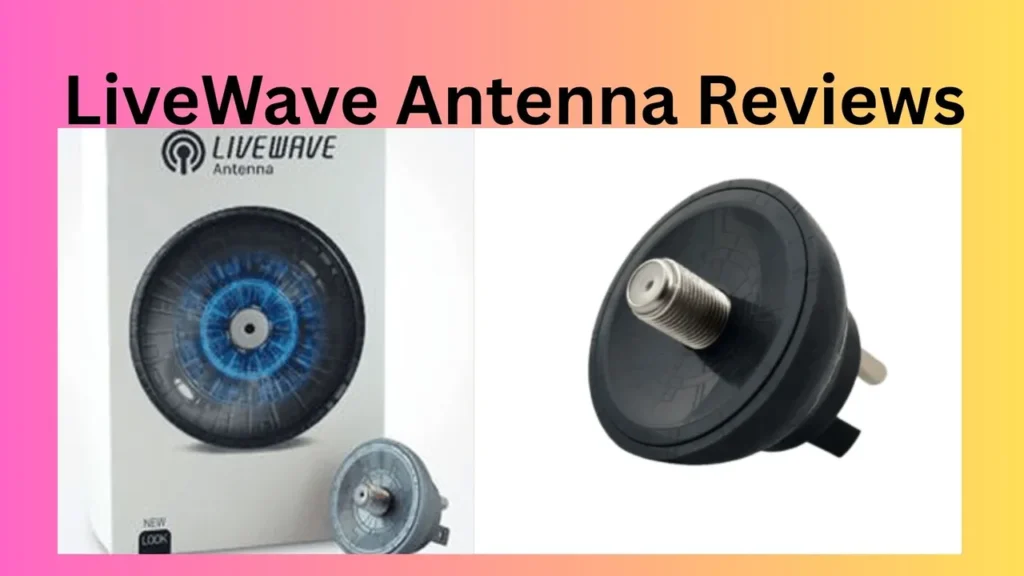
The LiveWave HDTV Antenna is marketed as a next-generation improvement in television antenna technology. Unlike traditional antennas that require mounting on your roof or inside your home, LiveWave plugs directly into your power outlet.
Sounds futuristic, right? Instead of a bulky setup, this antenna claims to use your home’s electrical wiring as a giant signal receiver. Essentially, it’s a plug-and-play device that turns your house into one big TV antenna.
How Does LiveWave Antenna Work?
According to the company, LiveWave uses a built-in micro antenna that looks like a small plug adapter. When you connect it to a wall socket, it allegedly captures over-the-air (OTA) signals through your electrical circuit.
Here’s the idea in simple terms:
- It draws signals from broadcast towers in your area.
- Those signals travel through your home’s electrical system.
- Your TV then displays local HD channels without needing a cable or satellite service.
It sounds like magic, but let’s see how practical this really is.
The Science Behind the Claims
At first glance, the idea of using your home’s wiring to receive TV signals might sound smart. But experts say there’s a catch. Electrical wiring wasn’t designed to carry broadcast frequencies—it’s made to deliver power, not television signals.
So, while LiveWave’s concept is fascinating, scientific testing doesn’t strongly back it up. In fact, many reviewers report weak or no signals, especially in areas far from broadcast towers.
Installation and Setup
Here’s what the brand promises about installation:
- Plug the antenna into a wall outlet.
- Connect the included cable to your TV.
- Scan for available channels.
That’s it—no tools, no drilling, no messy cables.
In theory, it’s simpler than traditional antennas. But many users say the setup doesn’t always go smoothly. Some report needing multiple scans before finding even a few channels.
What Channels Can You Get?
LiveWave claims to capture free HD channels, including:
- NBC
- ABC
- FOX
- CBS
- PBS
- And local networks
However, the actual channel lineup depends on your location and the strength of signals nearby. So, if you live in a rural area or a place with poor reception, your experience might differ dramatically from the company’s claims.
LiveWave Antenna Features
Let’s take a look at what this device offers:
Compact Design
Unlike bulky antennas, LiveWave is sleek and small, fitting easily into any power outlet without drawing attention.
Easy Setup
No need for rooftop installations—just plug and scan.
Claims of High-Definition Quality
It promises HD channels without buffering or monthly fees.
No Monthly Bills
Once purchased, you don’t pay ongoing subscription fees like you would with cable or satellite TV.
Works Indoors
Perfect for apartment dwellers or those who can’t install outdoor antennas.
While all this sounds appealing, the key question remains: does it actually work as advertised?
Customer Reviews: Mixed Reactions
Customer feedback for LiveWave Antenna is mixed, to say the least.
Positive Reviews
Some users praise its design and ease of installation. They mention that it helped them catch local news or sports channels for free.
Negative Reviews
However, a majority report frustration. Common complaints include:
- Poor or no signal reception
- Fewer channels than promised
- Misleading marketing claims
- Cheap build quality
Several reviewers even claimed it worked no better than a basic $10 indoor antenna available on Amazon.
LiveWave Pricing and Availability
The LiveWave Antenna is usually priced around $39.95, but the company often runs “limited-time offers” or “special discounts” that seem to last forever—classic marketing tactics used to create urgency.
You can buy it directly from the official website, but it’s also available on third-party platforms like Amazon. However, buyers should exercise caution, as product quality may vary depending on the seller.
LiveWave Antenna vs Traditional Antennas
| Feature | LiveWave Antenna | Traditional Antenna |
|---|---|---|
| Setup | Plug and Play | Requires Mounting |
| Signal Range | Limited | Better Reception (especially outdoor) |
| Price | ~$40 | $15–$60 (varies) |
| Reliability | Questionable | Proven and Tested |
| Portability | High | Low |
As the table shows, traditional antennas often outperform LiveWave in real-world use, despite its modern design.
Does LiveWave Really Work?
Here’s the truth: results vary.
If you live close to broadcast towers in a metropolitan area, you might get a few decent channels. But in most cases, users report disappointing performance.
Experts say the idea of turning your electrical system into an antenna is more marketing gimmick than engineering breakthrough.
Red Flags to Watch Out For
When evaluating whether LiveWave is legit or a scam, these points raise eyebrows:
- Over-the-top marketing claims with limited technical explanation
- Lack of third-party testing or certifications
- Poor customer support according to online complaints
- Refund issues reported by some buyers
While it may not be a full-blown scam, it definitely doesn’t live up to the hype.
Pros and Cons of LiveWave Antenna
Pros
- Compact, modern design
- Simple plug-in installation
- No monthly bills
- Portable and easy to move
Cons
- Weak signal strength
- Limited coverage area
- Questionable technology
- Mixed customer feedback
- Possibly overpriced for its performance
Is LiveWave Antenna Legit or Scam?
To put it bluntly, LiveWave Antenna is more “too good to be true” than revolutionary. While some users report mild success, the majority find it underwhelming.
It doesn’t appear to deliver the kind of high-definition, multi-channel experience the company claims. It may work in very specific conditions, but for most users, it’s just another overhyped gadget.
If you’re looking for a reliable solution, traditional indoor or outdoor antennas from reputable brands like Mohu or ClearStream may serve you better.
Final Verdict
The LiveWave Antenna markets itself as the next-gen plug-and-play antenna that replaces traditional setups—but fails to consistently deliver on that promise.
Its sleek design and easy setup are appealing, but performance and reliability fall short for many users. Unless you’re willing to experiment and risk your money, it might be better to stick with tried-and-tested antenna brands.
Conclusion
In an age where we’re all searching for cost-effective ways to cut the cable cord, the LiveWave Antenna sounds like a dream come true. Unfortunately, the dream fades once you test it in real-world conditions.
It’s not a total scam, but it’s definitely not the miracle device it’s marketed to be. If you’re serious about saving money on TV, there are plenty of better alternatives out there that actually do what they promise.
FAQs
1. What channels can I expect to get with LiveWave Antenna?
You might receive major networks like NBC, CBS, FOX, and PBS, but it depends entirely on your location and signal strength.
2. Is the LiveWave Antenna easy to install?
Yes, installation is simple—just plug it in and connect it to your TV. However, actual performance may vary.
3. Does LiveWave Antenna really use my home’s wiring as an antenna?
That’s the claim, but scientific testing doesn’t strongly support this. Electrical wiring isn’t designed for TV signal transmission.
4. Can I get a refund if it doesn’t work?
The company claims to offer a money-back guarantee, but several users report difficulties getting refunds.
5. Should I buy the LiveWave Antenna?
If you’re curious and don’t mind experimenting, you can try it. But for reliable HD reception, traditional antennas or streaming services are far better options.