
Introduction
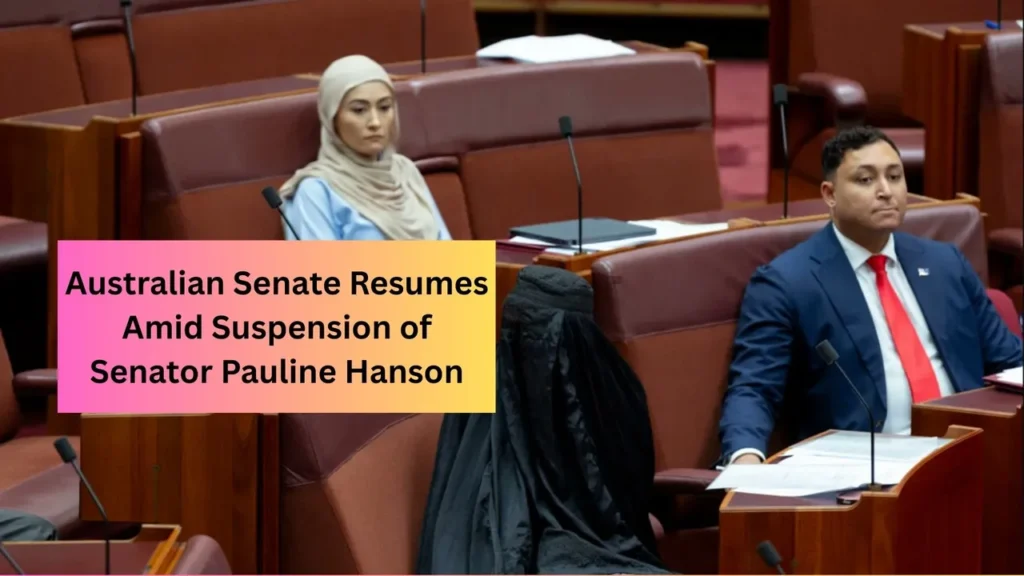
The Australian political landscape is no stranger to drama, debate, and moments that shake the system. But when the Senate resumed following the suspension of Senator Pauline Hanson, the waves spread far beyond the chamber walls. If you’ve been wondering what exactly happened, why it matters, and what the fallout could look like, you’re in the right place.
Let’s walk through the details, break them down in simple language, and explore how this moment could influence Australia’s political path going forward.
The Background: Understanding the Senate’s Role
What Is the Australian Senate?
The Senate is basically the house of review in Australia. Think of it as the body that double-checks, questions, and challenges legislation before it becomes reality. It’s the political filter that makes sure nothing slips through without proper debate.
Why Does Senate Activity Matter?
Because every decision, every vote, and every motion has the potential to reshape national policy. When the Senate resumes after a political shake-up—especially one involving a controversial figure—it’s bound to draw attention.
Who Is Pauline Hanson?
A Quick Political Snapshot
Pauline Hanson is the founder and leader of One Nation, a party known for its strong views on immigration, nationalism, and a variety of hot-button cultural issues. She’s no stranger to controversy—if anything, it has defined much of her political journey.
Why Her Actions Spark Reactions
Whether you agree with her or not, Hanson has a unique ability to command headlines. Her outspoken nature often leads to debates that ripple across the country. So, when news breaks about her being suspended from the Senate, it naturally becomes a national discussion.
The Suspension: What Actually Happened?
The Trigger Behind the Suspension
Her suspension arose from conduct considered unacceptable by the Senate. Whether it was comments made during debate, refusal to comply with certain procedural rules, or behavior that crossed established boundaries, the Senate decided disciplinary action was necessary.
How Senate Suspensions Work
In simple terms, a suspension means a senator is temporarily removed from participating in proceedings. They cannot vote, cannot question, and cannot actively engage in parliamentary discussions for the duration of the suspension.
Why This Suspension Made Headlines
Suspensions are not everyday events. When they involve a high-profile and polarizing figure like Pauline Hanson, it only amplifies national curiosity.
Senate Resumes: What Does This Mean for Australia?
Back to Business—But Not Quietly
When the Senate resumed its regular schedule, the buzz around Hanson’s suspension didn’t disappear. Instead, it became a backdrop to nearly every conversation happening inside the chamber.
Lingering Tension Inside the House
Politics thrives on alliances, debate, and sometimes rivalry. Hanson’s absence may have temporarily shifted the balance of certain discussions, but her influence still lingered. The Senate’s atmosphere reflected that tension.
Policy Progress and Political Pressure
While work resumed—legislation to be reviewed, bills to be debated, and questions to be raised—many senators knew the spotlight wasn’t just on their agenda but on how they handled the aftermath.
Reactions Across the Political Spectrum
Government’s Stance
The ruling government may have seen Hanson’s suspension as a procedural necessity. But they also understood the risk: any action taken against a vocal politician can spark claims of bias or political weaponization.
Opposition Response
Opposition parties had a mix of reactions. Some welcomed the disciplinary approach, saying accountability matters. Others critiqued the move, arguing it could escalate partisan tensions.
One Nation’s Reaction
Unsurprisingly, Pauline Hanson’s party defended her. They called the suspension unfair or politically driven—framing it as an attack on their party’s voice.
Public Opinion: Divided but Engaged
Supporters Rally Behind Hanson
Her supporters see her as someone who “says what others won’t.” To them, the suspension symbolized silencing dissent or targeting someone who refuses to conform.
Critics View It as Accountability
Those who oppose her political style viewed the suspension as long overdue. They saw it as enforcing decorum and maintaining parliamentary professionalism.
Everyday Australians Weigh In
Social media lit up with debates. And let’s be honest—Australians love a good political argument. This event gave people plenty to talk about.
How This Impacts the Senate’s Functioning
Temporary Power Dynamics Shift
Even one senator being removed—even briefly—can shift the dynamics. Voting margins change. Debates take new shapes. And political strategies must adjust.
Committee Work Feels the Impact
Senators often serve on committees that analyze legislation. A suspension can affect committee timelines, decisions, or overall momentum.
Does It Slow Down Parliament?
Not entirely, but it does add friction. And in politics, friction often means delay.
The Larger Political Picture
The Message It Sends
The suspension sends a clear message: regardless of political position, senators must uphold standards. But depending on whom you ask, the message might be seen as either discipline or suppression.
Setback or Opportunity for Hanson?
This moment could weaken her position—or strengthen her narrative of being a political outsider fighting the “establishment.”
Potential Long-Term Consequences
Political reputations are fragile. This incident may influence future elections, public trust, and party alliances.
Media Coverage and Public Narrative
Framing the Story
Some outlets emphasized division. Others focused on procedural fairness. In politics, how the story is told can sometimes matter more than the story itself.
The Role of Headlines
Let’s face it—headlines shape perception instantly. When they read things like “Hanson Suspended” or “Senate Turmoil,” they grab attention and influence public thinking.
What Happens Next?
Return of Pauline Hanson
She will eventually resume her role. But the big question is: will she return more cautious or more defiant?
The Senate’s Next Moves
Expect discussions about tightening or clarifying rules around conduct. Moments like this often lead to procedural reviews.
Political Ripples Are Far From Over
The effects of this suspension might echo for months, especially if it becomes fuel during election campaigns.
Why This Event Matters for Australia
Democracy in Action
Whether you agree with the suspension or not, this is democracy at work. Disagreements, accountability, debate—these dynamics keep the system functioning.
Transparency and Responsibility
Public attention ensures transparency. When people care enough to follow Senate proceedings, it strengthens the democratic process.
A Reminder of Political Power
Every word, action, and decision made by a senator carries weight. Hanson’s suspension highlighted just how critical individual behavior is in shaping national discourse.
Conclusion
The resumption of the Australian Senate amid Pauline Hanson’s suspension marked a moment of heightened political tension and national attention. It wasn’t just a procedural event—it became a conversation about accountability, freedom of expression, political strategy, and the expectations we place on elected leaders.
Whether this incident becomes a brief footnote or a defining chapter remains to be seen. But one thing is clear: Australia is watching closely, and the conversation is far from over.
FAQs
1. Why was Senator Pauline Hanson suspended?
She was suspended due to conduct that breached Senate rules, though interpretations of the severity vary across political groups.
2. How long do Senate suspensions typically last?
Suspensions are usually temporary and vary depending on the seriousness of the conduct.
3. Did the suspension affect Senate voting outcomes?
It may have shifted certain discussions or voting margins, especially in close debates.
4. What does this mean for One Nation’s future?
The suspension may energize supporters or create political challenges—time will reveal the bigger impact.
5. Can a suspended senator still represent their state?
Not during the period of suspension. They must temporarily step back from parliamentary duties.