
Flight delays are nothing new—travelers deal with them all the time. But when an entire fleet of aircraft gets pulled into a sudden recall, that’s when the world truly pays attention. And right now, the aviation industry is buzzing with the latest shocker: the Airbus A320 recall. If you’ve recently found yourself stuck at an airport, refreshing your boarding pass for the tenth time, there’s a good chance this recall is the reason.
In this article, we’ll dive deep into what happened, why it matters, how airlines are responding, and—most importantly—what passengers should expect in the days and weeks ahead. Buckle up; there’s a lot to unpack.
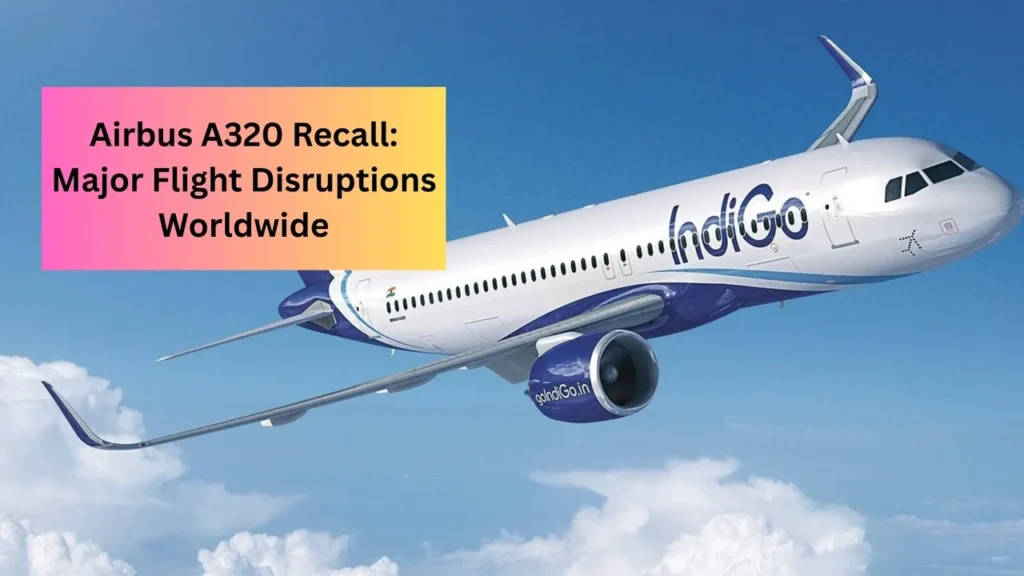
What Triggered the Airbus A320 Recall?
The Airbus A320 has long been one of the most reliable and widely used aircraft in the world. But even the best machines occasionally face issues. This recall reportedly stems from a critical component concern, one that affects the aircraft’s operational safety.
Industry insiders suggest the issue involves a flaw in specific engine components supplied by an external manufacturer. While not every A320 in the world is impacted, the number is large enough to cause widespread operational chaos.
How Serious Is the Recall?
Let’s put it simply: airlines do not recall aircraft unless absolutely necessary. Safety is non-negotiable in aviation. Even a small potential risk is enough to ground hundreds of planes.
So yes—the situation is serious. But it’s also under control.
Airlines and aviation authorities acted quickly, pulling affected aircraft from schedules while maintenance teams performed urgent inspections. The move disrupted flights, but it also ensured passengers wouldn’t be flying on planes with questionable parts.
Why the Airbus A320 Matters So Much
If you’ve flown anytime in the past decade, chances are you’ve been on an A320. It’s the workhorse of the skies.
1. It’s One of the Most Produced Aircraft in the World
With thousands of units delivered globally, removing even a portion of them from service instantly disrupts airline schedules.
2. Airlines Depend Heavily on the A320 Fleet
Low-cost carriers, national airlines, and regional operators rely daily on A320s for short- to medium-haul routes.
3. Its Recall Has a Ripple Effect
One grounded aircraft leads to:
• Missed schedules
• Rerouted trips
• Crew reshuffling
• Delayed aircraft replacements
It’s like removing a domino from the middle of a line—you know what happens next.
How Many Aircraft Are Affected?
The official count varies by region, but estimates suggest hundreds of Airbus A320 family aircraft are impacted. Not all airlines have disclosed numbers, but several have confirmed a significant portion of their fleet is undergoing checks.
Airlines hit the hardest include large A320 operators across:
• Europe
• Asia
• The Middle East
• North America
This explains why the disruptions are truly global.
Which Airlines Are Feeling the Pressure?
Airlines that heavily depend on A320 fleets are experiencing:
• Frequent cancellations
• Rescheduling chaos
• Passenger overflow onto unaffected flights
Budget carriers—known for maximizing aircraft utilization—have particularly felt the sting.
If your favorite airline typically uses A320s for short international or domestic routes, there’s a good chance your flight was impacted.
Types of Flight Disruptions Reported Worldwid
The disruptions haven’t been minor. They’ve ranged from mild delays to full-blown operational overhauls.
1. Cancellations
Entire flight chains have been canceled when replacement aircraft weren’t available.
2. Multi-Hour Delays
Aircraft availability became tight, leading to long wait times as schedules adjusted.
3. Overbooking & Passenger Re-accommodations
Some passengers were moved to other airlines or forced to take connecting routes instead of direct ones.
4. Airport Congestion
With multiple aircraft grounded, airport gates and boarding zones experienced more bottlenecks than usual.
How Airlines Are Handling the Recall
Airlines faced a tough balancing act—prioritize safety while minimizing the disruption. Here’s what they’ve been doing:
1. Rapid Inspections
Maintenance teams worked round-the-clock to identify and replace the affected components.
2. Deploying Backup Aircraft
Older aircraft were temporarily put back into service, and wide-bodied jets were occasionally assigned to short routes.
3. Reworking Crew Scheduling
A grounded aircraft means pilots and cabin crew must be reassigned—a logistical headache.
4. Offering Passenger Compensation
Vouchers, refunds, rebooking options, and loyalty points have been widely offered.
How Long Will the Disruptions Last?
This depends on:
• The availability of replacement parts
• The speed of repairs
• The number of aircraft in each airline’s affected list
Some airlines may normalize schedules in days, while others could take weeks. The ripple effect may linger longer, especially during peak travel periods.
What This Means for Travelers Right Now
If you have upcoming travel booked, especially in the next few weeks, here’s the reality:
Expect Potential Schedule Changes
Your flight time, aircraft type, or even route may change.
Check Your Airline App Frequently
Airlines update schedules in real time.
Arrive at the Airport Slightly Earlier
Airport lines may move slower due to rerouting and manual handling.
Consider Flexible Travel Windows
If your trip isn’t urgent, shifting your booking may help avoid headaches.
Could This Recall Have Been Prevented?
That’s the big question. Aircraft recalls can stem from:
• Manufacturing defects
• Wear-and-tear issues
• Supplier component faults
• Unexpected operational performance concerns
Because aviation follows strict safety protocols, any irregularity is flagged early. While inconvenient, recalls help prevent bigger problems in the sky.
The Bigger Picture: Aviation Safety Is Working
It’s easy to get frustrated when your flight gets canceled. But here’s an important perspective: the recall is proof that the aviation safety system works exactly as it should.
Air travel is one of the safest modes of transportation in the world because:
• Issues are caught early
• Aircraft undergo constant inspections
• Authorities take immediate action
Think of it like catching a small leak before it becomes a flood.
Industry Experts Weigh In
Aviation analysts say the recall underscores a broader issue—mass reliance on a few aircraft types. When one model faces trouble, the entire global travel system feels the shock.
Experts predict:
• A push for more diversified fleets
• Stricter supplier checks
• New guidelines for engine component certifications
This recall may reshape industry practices for years to come.
How This Impacts Airline Costs
Disruptions aren’t just inconvenient—they’re expensive. Airlines face:
• Maintenance and replacement expenses
• Passenger compensation costs
• Fuel inefficiencies due to using older backup aircraft
• Revenue loss from cancellations
Some carriers may feel financial pressure, especially smaller operators.
Passenger Rights During Flight Disruptions
Depending on where you’re flying, your rights vary.
In the EU (EU261)
Passengers may be eligible for:
• Up to €600 compensation
• Meals and accommodation for long delays
• Free rebooking or refund
In the US
Compensation rules are less strict, but:
• Rebooking
• Refunds
• Vouchers
Are commonly offered.
Always check your airline’s specific policy.
Is There Any Danger for Future Flights?
Thankfully, once the recall is addressed, the aircraft are safe to fly. Aviation regulators don’t take chances. Planes won’t return to service until they’re completely cleared.
So, while the disruptions are a headache, they also ensure your next flight is as safe as possible.
Conclusion
The Airbus A320 recall has undoubtedly created massive flight disruptions worldwide, leaving travelers frustrated and airlines scrambling. But beneath the chaos lies a reassuring truth: aviation safety processes are strong and effective.
This recall may shake the industry in the short term, but it also reinforces the unwavering commitment to passenger safety. As airlines work through inspections and repairs, flight schedules will normalize again soon.
For now, staying informed, flexible, and patient is the best strategy for travelers navigating this unusual moment in aviation history.
FAQs
1. What caused the Airbus A320 recall?
The recall was triggered by safety concerns related to specific engine components supplied by an external manufacturer.
2. How long will the disruptions last?
It varies by airline but may take several days to weeks for full fleet inspections and repairs.
3. Are all Airbus A320 aircraft affected?
No, only certain models with the identified component issue are being inspected.
4. Can passengers claim compensation for disruptions?
Yes—depending on the region and airline policy, passengers may qualify for refunds, rebooking, vouchers, or cash compensation.
5. Is it still safe to fly on an Airbus A320?
Absolutely. Aircraft only return to service after passing strict safety checks.