
What do you get when a contentious world leader is captured, a famous music mogul faces legal trouble, and internet humor runs wild?
You get the Maduro–Diddy meme wave — one of the most bizarre and viral meme trends sweeping social media platforms in early 2026.
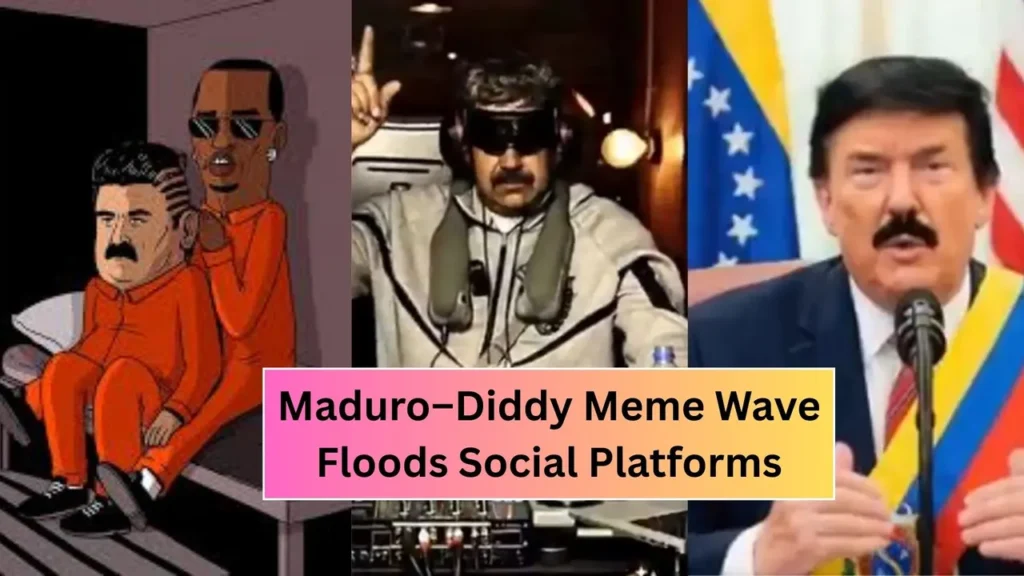
This phenomenon isn’t just about jokes. It’s a mashup of geopolitics, celebrity culture, AI-powered creative content, and crowd-sourced satire that has exploded across Twitter (now X), Reddit, Instagram, TikTok, and beyond. From satirical cartoons to deepfake videos, users everywhere are riffing on this unlikely pairing in ways that are sharp, absurd, and sometimes controversial.
So how did this meme wave start? Why Diddy? How did social platforms react — and what does this say about internet culture today? Let’s dive in.
The Backdrop — A Chaotic Moment in Global News
Before memes can go viral, there has to be something to meme about — and in early January 2026, there was no shortage of newsworthy chaos.
Nicolás Maduro’s Controversial Capture
Venezuelan President Nicolás Maduro, long a polarizing figure, was captured during a dramatic U.S. military operation in Caracas. He was flown to the U.S. to face serious federal charges, including drug trafficking and terrorism allegations.
This event was historic, shocking, and instantly global news — the perfect seed for spontaneous internet reaction.
Sean “Diddy” Combs’ Legal Troubles
Meanwhile, music mogul Sean “Diddy” Combs was facing his own set of legal issues. With high-profile court proceedings and extensive media coverage, Diddy was already a topic of widespread online discussion.
Suddenly, two very different figures — a captured president and a celebrity defendant — were being mentioned in shared meme threads. But how did they become linked?
The Birth of the Meme — Why Maduro and Diddy?
If you asked someone in 2019 whether they’d ever meme Maduro and Diddy together, you’d get a blank stare. But the internet loves the absurd, and this mashup checked all the boxes.
The Meme Logic — Incarceration as a Punchline
One of the earliest meme angles was based on the idea that both figures were now — jokingly or not — behind bars. Social users began to place them together in the same jail cell in photoshopped images and cartoons.
This not only made for quick humor, but it also highlighted a meme “logic” of contrast: a world leader and a music executive, united in the digital imagination by legal chaos.
“From Crude Oil to Baby Oil” — A Strange Catchphrase
One meme tagline that quickly went viral was “from crude oil to baby oil” — a phrase satirically contrasting Venezuela’s oil politics with alleged personal scandals involving Diddy.
This ironic juxtaposition shows just how creative (and outrageous) meme culture can be.
Social Platforms Go Wild — Viral Content Across the Web
Each social platform has its own style, and the Maduro–Diddy meme wave spread like wildfire everywhere.
X (Formerly Twitter)
On X, memes ranged from simple image macros to political satire and deepfake clips. Some posts were shared by high-profile users, amplifying the trend even further. Elon Musk, for example, even reshared a meme featuring a baby oil joke, thrusting the meme into wider circulation.
Community notes and fact-checks scrambled to respond, but the memes often outpaced the truth.
Reddit Communities
On Reddit, the trend exploded in meme-centric communities. Users riffed on every possible angle — from jokes about shared jail time to bizarre crossover scenarios. Some threads revolved around the shared incarceration idea, imagining hypothetical conversations between the two.
In subreddits dedicated to memes, humor and dark satire blended freely — reinforcing how online communities build on shared cultural knowledge.
Instagram, TikTok, and Deepfakes
Perhaps the wildest part of this meme wave was the role of AI. Deepfake videos and AI-generated imagery depicting Maduro and Diddy in absurd scenarios spread across TikTok and Instagram — including celebrations that never happened.
These AI memes not only entertained, they also introduced a messy new element: misinformation.
Deepfake Reality — When Memes Blur the Truth
One of the most significant aspects of this meme wave is how easily fiction blended with fact.
AI Videos That Look Real
Generative AI tools helped produce videos of Maduro’s “celebrations” or fantastical encounters that went viral before anyone realized they were fake. Some clips even made it into influential feeds before being flagged as AI content.
It’s a powerful reminder that modern meme culture isn’t just about jokes — it can shape worldviews and perceptions.
Misinformation Challenges
Platforms like X and TikTok began tagging content or applying community notes, but many users had already seen the misleading videos by then.
This raises an important question: is humor worth the risk if it spreads false impressions about real eve
Why the Internet Loves This Trend
At first glance, the Maduro–Diddy meme wave might seem weird or even indecent. But a few things explain its explosive popularity:
Shock Value Is Clickbait
Humor often thrives on shock and surprise — and there’s nothing more surprising than linking a world leader with a hip-hop icon in a shared meme narrative.
Politics + Pop Culture = Meme Fuel
Mixing geopolitical news with celebrity drama creates a perfect storm of cultural relevance. People aren’t just laughing at one thing — they’re laughing at everything all at once.
Shared Digital Experience
Memes are participatory. They let millions of users add their own spin, remix the joke, and create community — even around serious or heavy topics.
The Dark Side — Ethical and Cultural Concerns
While many see memes as harmless fun, there are some serious implications to consider.
Misinformation and Deepfakes
Deepfake technology makes it harder for viewers to separate real from fake. Viral clips can spread widely before fact-checkers catch up, contributing to confusion or even false beliefs.
Sensitivity Around Real Human Issues
These memes often revolve around real people facing real legal challenges or political upheaval. For families and communities affected by these events, humor can feel insensitive or dismissive.
What This Trend Says About Internet Culture Today
The Maduro–Diddy meme wave isn’t just a funny detour — it’s a window into how modern digital culture reacts to global events.
We Meme to Understand
Memes allow people to process complex, scary, or confusing news with humor. They’re social tools as much as entertainment.
The Line Between Satire and Misleading Content Is Thin
When humor leans on AI manipulation and misinformation spreads fast, it raises important questions about responsibility in online communities.
Participation Is Global
This trend wasn’t limited to one region or platform. Users around the world contributed their own takes, translating meme themes and resharing in different formats.
Conclusion: More Than Just Internet Jokes
The Maduro–Diddy meme wave is a perfect example of how global news and internet culture collide. What started as reactions to a dramatic political event and celebrity legal troubles morphed into a viral meme trend filled with satire, deepfakes, and crowd creativity.
But beyond the laughs, there’s a deeper story here about how we consume information, share humor, and build community online. In an era where AI and social platforms shape the way we see the world, memes are no longer just jokes — they are part of our digital conversation about truth, culture, and shared experience.
Five Unique FAQs After the Conclusion
1. What exactly is the Maduro–Diddy meme wave?
It’s a viral social media trend where users created and shared memes linking Venezuelan President Nicolás Maduro’s capture with Sean “Diddy” Combs’ legal issues, often showing them together in jail or in absurd scenarios.
2. Why did this meme trend become so widespread?
The combination of dramatic world news and celebrity drama gave users lots of creative fuel, making the meme relatable, shocking, and entertaining across platforms.
3. Are the videos and images true?
Many viral clips were AI-generated or deepfaked, meaning they were created for humor or shock value and not factual depictions of real events.
4. Which platforms saw the most meme activity?
X (formerly Twitter), Reddit, TikTok, and Instagram saw massive meme engagement, often amplified by influencers sharing or resharing content.
5. Is there a downside to these meme trends?
Yes. While funny, they can blur the line between fact and fiction, spread misinformation, and sometimes disrespect real people affected by the events.