
When discussions about global politics heat up, few topics stir as much debate as Donald Trump’s proposed Ukraine peace approach and his larger U.S.–Russia energy vision. These ideas have sparked questions, criticism, and curiosity across the world. What exactly is Trump aiming for? How would his plan reshape U.S. foreign policy, Europe’s security, and global energy markets? And, more importantly, is any of it realistically achievable?
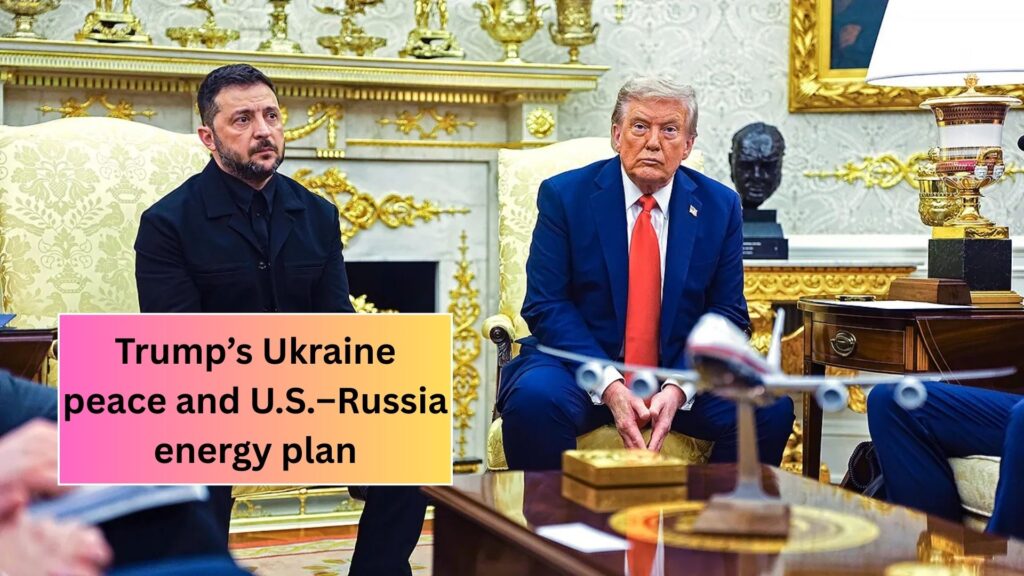
In this article, we break everything down in a simple, conversational way. Whether you’re following international politics closely or just trying to make sense of the headlines, this guide will help you understand the bigger picture behind Trump’s Ukraine peace and U.S.–Russia energy plan.
Understanding Trump’s Ukraine Peace and U.S.–Russia Energy Plan
Why This Topic Matters Right Now
The world is changing fast. Wars, shifting alliances, and energy shortages have put pressure on global decision-makers. Any plan, especially one involving Ukraine and Russia, instantly grabs attention because it affects European security, NATO strategy, global energy prices, and even everyday economic concerns.
Trump’s Approach to Foreign Policy: A Quick Overview
Trump’s foreign policy style has always leaned toward negotiation, deal-making, and pressure tactics. Instead of traditional diplomatic routes, he tends to favor direct conversations, transactional relationships, and pushing allies to contribute more. So when he talks about ending the war in Ukraine or restructuring the U.S.–Russia energy dynamic, he is applying these same methods.
Breaking Down the Ukraine Peace Component
Trump’s Claim of a Quick Peace Deal
One of Trump’s most repeated statements is his confidence that he can bring an end to the Ukraine war quickly. Whether that means reshaping territorial agreements, negotiating directly with Russia, or pressuring Ukraine to compromise isn’t always specified. But the idea is clear: he believes in fast, high-impact diplomacy.
What Does “Peace” Potentially Mean Here?
Peace can mean different things depending on who you ask. For Trump’s approach, observers predict a few possibilities:
- A negotiated ceasefire
- Territorial concessions
- Security guarantees from NATO members
- Direct negotiations with Vladimir Putin
Is this realistic? That depends on political will, global reactions, and the willingness of Ukraine and Russia to sit at the same table again.
Ukraine’s Position in Such Negotiations
Ukraine has repeatedly stated that it wants full sovereignty over its territory, including regions currently in dispute. Any peace plan requiring major concessions could be controversial internally and internationally. That’s where Trump’s approach might hit resistance.
Russia’s Strategic Interests
Russia has its own demands: security guarantees, control over strategic regions, and a reduction of Western military involvement near its borders. Any plan that aligns too closely with Russian interests would spark criticism from European countries and NATO leaders.
How the Rest of the World Might Respond
International reaction is a huge part of whether Trump’s peace plan could succeed.
Europe’s Concerns
European nations fear:
- An unstable Eastern Europe
- A stronger Russia after the war
- Less U.S. involvement in NATO
Any deal that appears to weaken Ukraine could trigger political backlash across Europe.
NATO’s Role in a Trump-led Peace Agreement
Trump has been vocal about NATO allies paying more for defense. If his peace plan involves shifting responsibilities onto Europe, NATO could face internal stress.
Understanding Trump’s U.S.–Russia Energy Plan
The Core Idea Behind the Energy Strategy
Trump has consistently pushed for U.S. energy independence—mainly through increased oil and gas production. Including Russia in this equation is where things become more complex.
The potential plan revolves around:
- Reducing Europe’s dependence on Russian gas
- Boosting U.S. dominance in global energy exports
- Negotiating directly with Russia to stabilize energy markets
Energy as a Strategic Tool
Energy isn’t just about fuel; it’s a geopolitical weapon. Countries use oil and gas to negotiate influence, strengthen alliances, and control economic outcomes. Trump’s energy plan appears to treat energy policy as a chessboard—every move affects global power dynamics.
Impact on U.S. Oil and Gas Production
Under Trump, the U.S. previously increased drilling, reduced regulations, and boosted exports. A renewed version of this plan could mean:
- More oil pipelines
- Expanded natural gas exports
- New partnerships with global energy players
Europe’s Energy Security
Europe has long relied heavily on Russian energy, especially natural gas. Trump’s plan to shift Europe toward U.S. energy sources could:
- Reduce Russia’s economic power
- Increase Europe’s dependence on U.S. exports
- Reshape global energy pricing
Whether this is beneficial or risky depends on political alignment and cost structures.
Linking the Peace Plan to the Energy Strategy
How Energy and Peace Overlap
You might wonder, what does energy have to do with the war in Ukraine? Actually, a lot.
Energy revenues fund many geopolitical actions, including war efforts. If the U.S. can cut into Russia’s energy market, it reduces Russia’s financial leverage. Trump’s plan may be built on using energy dominance to stabilize or reshape geopolitical conflicts.
Economic Leverage Through Energy
Energy can be used as pressure in negotiations. For example:
- Lowering oil prices reduces Russia’s income
- Increasing U.S. exports strengthens bargaining power
- Restructuring European supply chains reshapes alliances
This could be a key element of Trump’s combined strategy.
Potential Benefits of Trump’s Combined Plan
Faster Diplomatic Engagement
Trump’s high-pressure negotiation tactics could push leaders to the table faster than traditional diplomacy.
Stronger U.S. Energy Leadership
If the U.S. dominates global energy exports, it gains significant global influence.
Reduced European Dependence on Russia
Helping Europe shift away from Russian energy has been a long-term Western objective.
Potential Risks and Challenges
Resistance from Ukraine and European Allies
A peace plan that forces compromises could cause political backlash.
Strengthening Russia’s Geopolitical Position
Any deal that appears favorable to Moscow could raise concerns globally.
Increased Global Conflict If Negotiations Fail
If talks break down, tensions could escalate instead of easing.
Economic Market Uncertainty
Oil and gas markets react quickly to political shifts. Any misstep could trigger price spikes.
Can Trump’s Plan Actually Work?
It Depends on the Stakeholders Involved
For any peace deal to succeed, both Ukraine and Russia would need to agree—something that has been extremely difficult so far.
Global Politics Could Make or Break the Plan
International reactions, economic pressures, and NATO dynamics all shape the viability of such a strategy.
Trump’s Negotiation Style Is a Wild Card
Trump’s unpredictable yet bold approach could either unlock diplomatic breakthroughs or create new disputes.
Conclusion
Trump’s Ukraine peace and U.S.–Russia energy plan is a bold, complex, and controversial vision. It intertwines diplomacy, energy strategy, and global power dynamics. While some see it as a path toward faster peace and stronger U.S. influence, others worry about potential compromises, geopolitical risks, and unpredictable outcomes.
At the end of the day, whether such a plan could truly work depends on global cooperation, political will, and the unpredictable nature of international relations. One thing is certain: if implemented, it would reshape the global landscape in dramatic ways.
FAQs
1. What is the main idea behind Trump’s Ukraine peace plan?
The core idea is negotiating a fast ceasefire or settlement through direct talks and pressure tactics.
2. How does the energy plan connect with Russia?
It aims to reduce Russia’s energy dominance by boosting U.S. production and exports.
3. Would Europe support such a plan?
Europe may support reduced reliance on Russia but could resist political concessions imposed on Ukraine.
4. Can energy policy really influence peace talks?
Yes. Energy revenues heavily impact war funding and geopolitical leverage.
5. Is Trump’s strategy practical?
It’s ambitious but depends on cooperation from Ukraine, Russia, NATO, and global markets.