
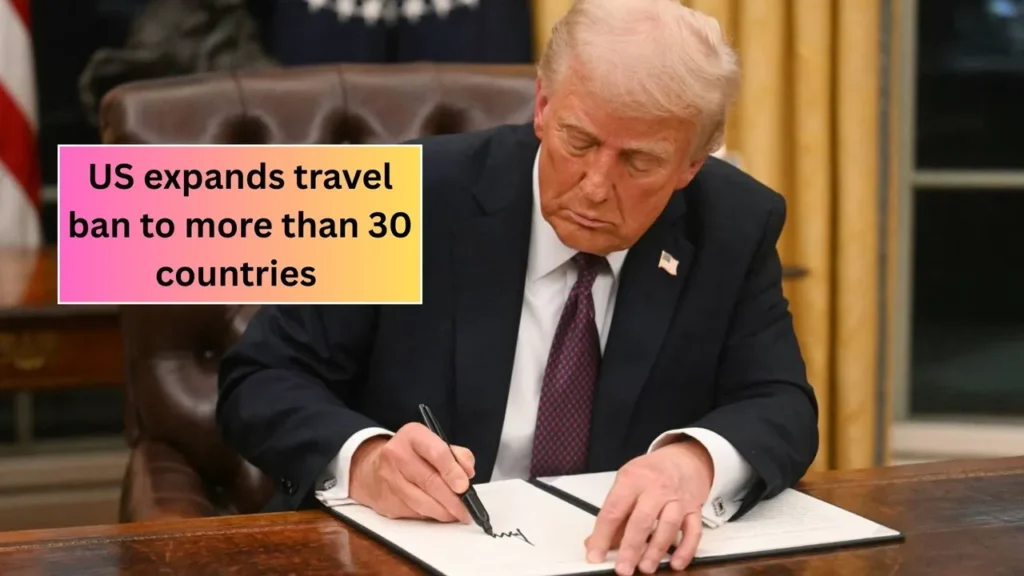
Travel bans are back in the spotlight, and this time the updates are bigger than ever. The United States has officially expanded its travel ban to more than 30 countries, shaking up travel plans, global business, and even international relationships. If you’ve been wondering what’s going on, why it’s happening, and how it might affect your next international trip, you’re in the right place.
Let’s break it down the easy way.
What Exactly Is This New Travel Ban About?
If you’re confused about these restrictions, you’re not alone. The US government periodically updates its travel policy to control national security risks, immigration flows, and sometimes global health threats. This new move basically adds more countries to the “restricted entry” list, meaning people from these nations can’t enter the United States without special approval.
A Look Back: How Did We Get Here?
Restrictions on international entry aren’t new. Over the past decade, the US has tightened border control and visa checks multiple times. Earlier travel bans focused on conflict zones or countries with weak identity protection systems.
How Previous Bans Worked
Historically, bans:
- Limited certain visa categories
- Affected travelers from specific regions
- Were reviewed often based on global changes
The difference now? The list is much longer, and the policies are stricter than before.
Which Countries Are Now Affected?
More than 30 countries are on the list. These include regions facing political instability, rising terrorism threats, cybercrime risks, and health emergencies. Many are located in Asia, Africa, and the Middle East, along with a few smaller nations around the world.
Who Is Restricted Under This Ban?
The expanded ban may block:
- Tourists
- Work visa applicants
- Students
- Short-term business visitors
Only those with special government exemptions may still enter.
Why Did The US Expand The Travel Ban?
You might be asking, Why now?
National Security Concerns
The primary reason given is security. The US wants to ensure that every visitor has a verified identity and a clean profile.
Unstable Governments Elsewhere
Some countries are experiencing:
- Political conflict
- Civil wars
- Economic collapse
- Weak passport and identity systems
That makes it harder to track offenders or stop threats.
Cyber Threats Are Growing
With digital crime increasing globally, certain nations are under watch for rising cyber attacks targeting the United States.
What Does This Mean For Travelers?
This is where things get personal. If you’re planning a trip—or expecting family to visit—you might face more paperwork, more delays, and even cancellations.
Visa Processing Will Be Tougher
Approvals could take months instead of weeks. Some applications may simply get denied.
Business Travel Gets Complicated
Companies relying on international talent could struggle to bring employees into the US.
Tourism Takes a Hit
Fewer visitors means less revenue for hotels, airlines, and entertainment destinations.
How Does This Affect Global Relations
When one country says “You’re not welcome,” it doesn’t always go down well.
Diplomatic Tension May Rise
Some affected nations may push back with similar restrictions in return.
Families Will Feel the Impact
Real people are caught in the middle—especially immigrant families who need to travel for personal emergencies.
Is This Ban Permanent?
Not necessarily. Travel bans have always evolved with time.
Policies Are Reviewed Periodically
Future changes will depend on:
- Political negotiations
- Global security improvements
- International cooperation
But for now, expect the restrictions to stay.
What If You Have Already Applied For A Visa?
This situation can feel like a rollercoaster.
Applications May Be Re-evaluated
Even approved visas could face additional screening.
Contact Your Embassy
If you’re unsure, always check the latest updates from the nearest US consulate.
Are US Citizens Affected Too?
Yes—but differently.
Harder To Travel Abroad
Some countries on the banned list may now make it tougher for US citizens to visit their borders.
Limited Airline Routes
More restrictions often mean fewer flight options, higher ticket prices, and sudden schedule changes.
Traveling For Emergencies: Any Exceptions?
Thankfully, the ban has exceptions for urgent humanitarian needs.
Examples Include:
- Medical emergencies
- Family deaths
- Critical business transactions
But even these cases require special approval.
What Should Travelers Do Now?
Planning ahead is more important than ever.
Always Check Travel Advisories
Rules change quickly—don’t assume yesterday’s information is correct today.
Document Everything
Proof of purpose, valid papers, and identity details are crucial.
Consider Delaying Non-Essential Travel
Why invite extra stress if you don’t have to?
How Businesses Can Adapt
Companies that depend on international mobility need a game plan.
Switch To Remote Options
Virtual meetings are still your best friend.
Hire Regionally
Instead of flying in workers, build talent pools in multiple countries.
Consult Immigration Advisors
Expert guidance can help avoid delays and compliance issues.
Will The Travel Ban Change Again?
Short answer: yes.
The world keeps shifting, and so do travel rules. Future changes will depend on global stability, national security trends, and international cooperation. Don’t be surprised if the list grows—or shrinks—again.
How To Stay Informed
Don’t rely on rumors. Always use trusted sources.
Best Ways To Keep Updated
- Official US Government announcements
- Embassy alerts
- Airline travel updates
- International travel news outlets
Conclusion
The US expanding its travel ban to more than 30 countries isn’t just another headline—it’s a decision that affects millions around the world. From families and students to executives and tourists, everyone faces new challenges in crossing borders.
While the reasons behind the ban are rooted in national security, the real-world impact is undeniable. Travel becomes harder, global ties become strained, and uncertainty rises.
The best approach right now? Stay informed, plan ahead, and be patient. International travel is still possible—but not without extra effort and awareness. The world may feel a little smaller today, but with time and cooperation, these restrictions may lighten again.
FAQs
1. Why did the US expand its travel ban?
The US expanded its travel ban primarily due to national security concerns, cyber threats, and unstable conditions in certain countries.
2. Can people from the banned countries still visit the US?
Yes, but only with special waivers or exemptions, usually for urgent humanitarian or critical business reasons.
3. Are US citizens affected by this ban?
Indirectly, yes. Travel to some regions may become harder, and flight routes may be reduced.
4. How long will the expanded travel ban remain in place?
There is no exact timeline. The policy will be reviewed regularly and updated as conditions change.
5. What should travelers do if they have upcoming plans?
Check official government travel advisories, contact your embassy, and prepare for longer processing times or potential delays.