
When disaster strikes in a bustling city like Hong Kong, it shakes not only the residents but the entire world watching from afar. The recent high-rise fire tragedy has left the city reeling as the death toll continues to climb and rescue teams push forward despite the odds. In this in-depth article, let’s walk through what happened, why such incidents occur, and how rescue operations are unfolding in real time.
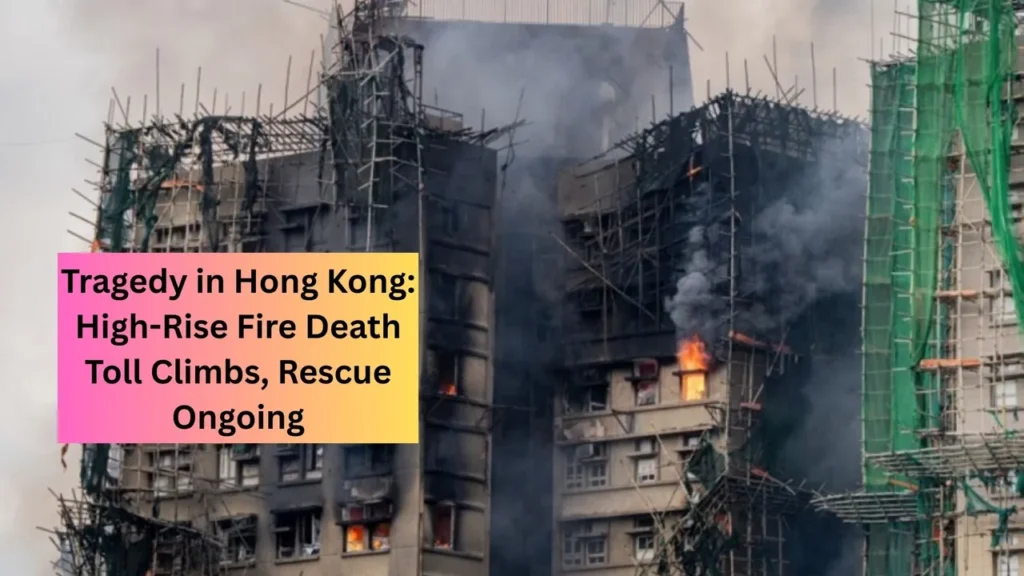
What Really Happened in the Hong Kong High-Rise Fire?
A sudden blaze tore through a densely populated high-rise in Hong Kong, catching residents off guard and causing widespread panic. The building, like many in the region, is home to hundreds of people, making the situation even more chaotic. As the fire spread rapidly, several residents found themselves trapped, with thick smoke filling stairwells and hallways.
The initial reports indicated several injuries, but soon, the grim reality emerged—the death toll started to rise as firefighters discovered victims while attempting to reach upper floors. Emergency teams are still working around the clock, and the situation remains delicate.
The Location: A High-Risk Zone in a Vertical City
Hong Kong is known for its skyscrapers and tightly packed residential complexes. While this is impressive on an architectural level, it also presents serious safety challenges. Buildings are built vertically to accommodate millions of residents in limited land space. But with height comes risk.
Why High-Rise Buildings Pose Extra Danger
High-rise structures often mean:
- Longer evacuation times
- Narrow staircases
- Crowded residential units
- Difficulty in reaching upper floors quickly
When a fire erupts, every second counts—and unfortunately, the vertical layout slows down both escape and rescue.
How the Fire Started: Early Reports and Suspicions
Authorities are still investigating the cause of the blaze. Early findings suggest it may have begun in a lower-floor apartment or possibly from an electrical fault—sadly, a common trigger in older buildings.
Possible Causes Being Investigated
- Electrical wiring malfunction
- Overloaded circuits
- Use of flammable household materials
- Neglected repairs or faulty appliances
While these are still unconfirmed, they paint a worrying picture of safety conditions in older structures.
Inside the Building During the Tragedy
Imagine this—one moment you’re going about your day, and the next you’re surrounded by thick smoke, heat, and confusion. Residents described scenes of chaos, shouting, and complete darkness as the smoke filled corridors.
The Smoke Factor
Most high-rise fire deaths come from smoke inhalation, not flames. Toxic fumes spread quickly through ventilation systems and open doors, making it nearly impossible to breathe.
People Trapped Indoors
Some victims were trapped in their flats, desperately waving from balconies or windows, hoping firefighters would spot them.
Firefighters Battle Harsh Conditions
The Hong Kong Fire Services Department is known for its efficiency, but this blaze pushed the limits.
Challenges Faced By Emergency Teams
- Difficulty entering smoke-filled hallways
- Heat intensifying as they climbed higher
- Multiple floors burning simultaneously
- Locating survivors with zero visibility
Despite this, firefighters managed to rescue dozens of residents—some unconscious, others severely injured.
Death Toll Continues to Rise
As of the latest update, the number of confirmed deaths has climbed steadily. Many victims succumbed to smoke inhalation before help could reach them. With ongoing searches of the upper floors, authorities fear more may be discovered.
Hospitals Overwhelmed with Victims
Local hospitals are operating in emergency mode as they treat burn victims and people suffering from smoke inhalation.
Common Injuries Reported
- Severe respiratory damage
- Burns
- Broken bones from panic-driven escapes
- Trauma and shock
Doctors have warned that several survivors remain in critical condition.
How Residents Escaped the Burning Towers
Not everyone could rely on the stairwell or fire exits. Some used towels, wet cloths, or even makeshift ropes. These desperate attempts highlight the lack of emergency escape alternatives in many older Hong Kong buildings.
Acts of Bravery
Residents helped each other, with some risking their lives to alert neighbors or assist children and elderly residents.
Why Hong Kong Faces Repeated High-Rise Fire Risks
This isn’t the first such tragedy in Hong Kong. The city has witnessed several high-rise fires over the years due to aging buildings and overcrowding.
Key Issues
- Old infrastructure
- Lack of modern fire safety systems
- Unauthorized building modifications
- Overloaded electrical systems
These long-standing issues once again take center stage as investigations unfold.
Government Response: What Officials Are Saying
Officials have expressed deep concern, promising a full investigation and immediate support for affected families. Relief centers have been set up to help those displaced.
Possible Government Actions Ahead
- Building-wide safety inspections
- Review of old wiring systems
- Enforcement of fire safety regulations
- Subsidies for improving fire systems
The public is demanding accountability—and rightly so.
Community Support Surges
Hong Kong citizens are known for their solidarity in hard times. Donations, supplies, and voluntary help are pouring in.
How the Community Is Helping
- Providing shelter and food
- Offering mental health support
- Fundraising for families of victims
In tragedy, the strength of the community shines.
Does Hong Kong Need a Fire Safety Overhaul?
Absolutely—and this tragedy may become a catalyst for long-overdue changes. Experts have long warned about the dangers of outdated fire systems in older complexes.
Possible Long-Term Safety Measures
- Mandatory sprinkler systems
- Regular safety drills
- Advanced smoke detectors
- Fire-resistant building materials
Upgrading thousands of buildings won’t be easy, but it might be the only way to prevent future disasters.
Lessons the World Can Learn
This tragedy isn’t just a Hong Kong issue—it’s a global wake-up call. High-rise fires can occur anywhere, especially in densely populated cities.
Key Takeaways
- Fire safety cannot be ignored
- Older buildings require frequent inspections
- Residents must know emergency exits
- Authorities must enforce regulations strictly
The cost of ignoring safety? Too high to bear.
Future Outlook: Will Such Incidents Happen Again?
Unless reforms are made immediately, the risk remains. Urban areas with aging structures face similar dangers. However, with the world watching and pressure building on officials, there’s hope Hong Kong will take decisive action.
Conclusion
The tragic high-rise fire in Hong Kong has left families shattered and the entire city mourning. As the death toll rises and rescue operations continue, one thing is clear—this disaster has exposed critical gaps in fire safety, building maintenance, and emergency preparedness. Yet, amidst the heartbreak, we see extraordinary courage from firefighters, residents, and the community. While nothing can erase the pain of those who lost loved ones, this moment can spark meaningful change. Hong Kong—and the world—must learn, adapt, and take fire safety seriously to prevent such tragedies in the future.
FAQs
1. What caused the Hong Kong high-rise fire?
The official cause is still under investigation, but early signs point to a possible electrical fault or malfunction.
2. Why did the fire spread so quickly?
Older high-rise buildings often lack modern fire prevention systems, allowing flames and smoke to travel rapidly.
3. How many people have died so far?
The death toll continues to rise as search and rescue efforts uncover more victims.
4. What support is being offered to survivors?
Authorities and community groups are providing shelter, medical aid, food, and counseling services.
5. What can be done to prevent similar tragedies?
Stricter safety regulations, upgraded fire equipment, regular inspections, and public awareness can significantly reduce future risks.